
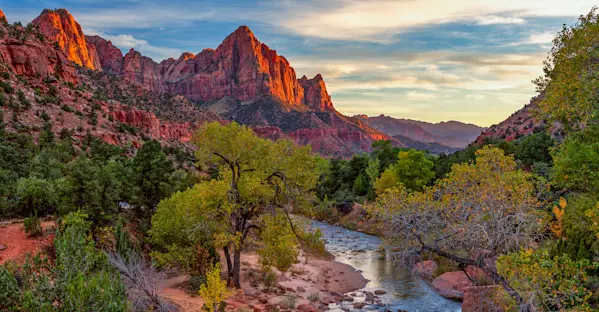
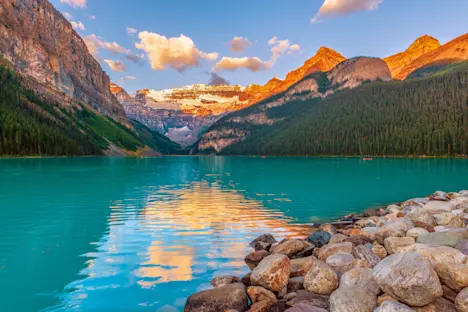






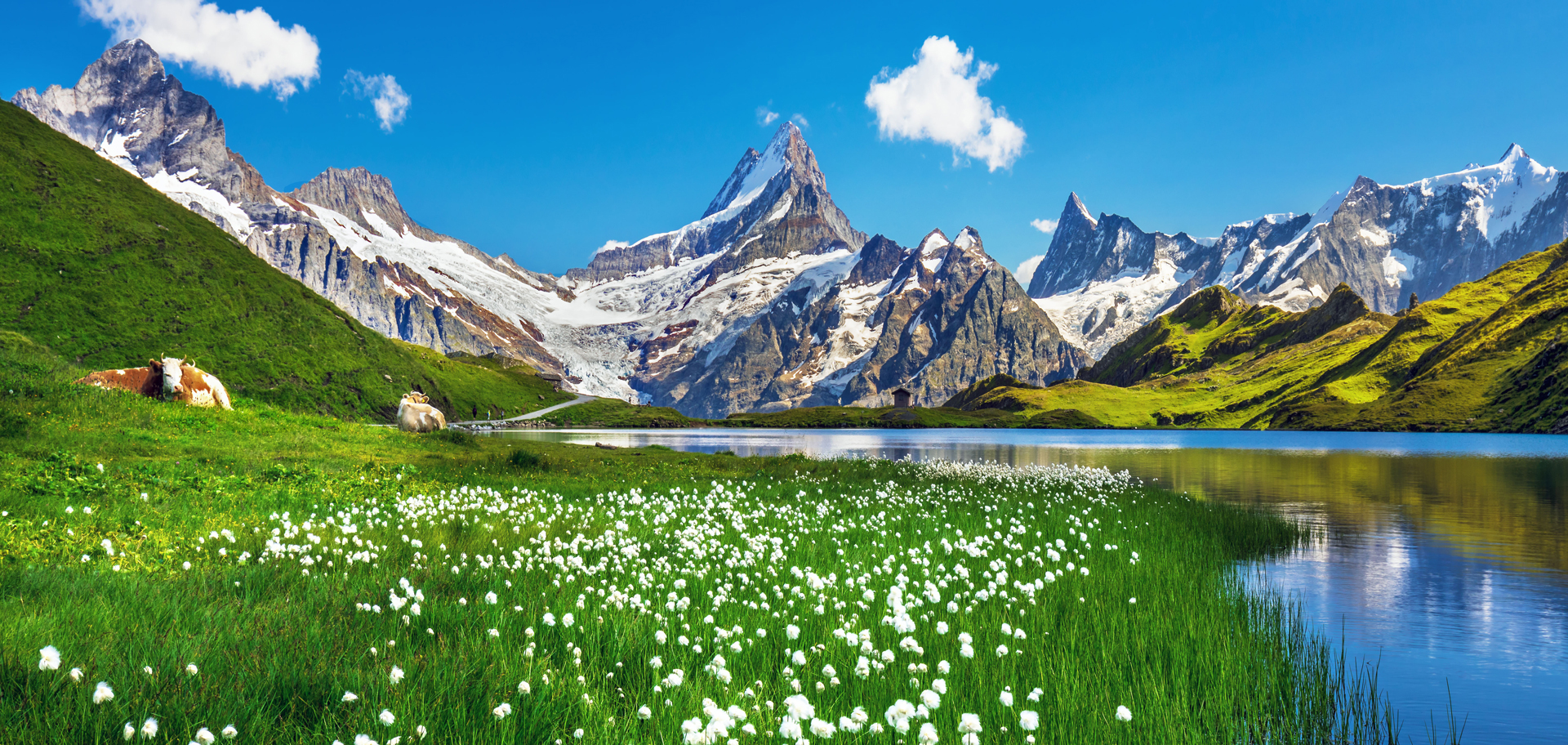
Mountains host disproportionately high numbers of locally adapted endemic species, including cold-water insects. Several decades from now in the Alps, most rivers will become drier, slower and warmer. By the turn of the century, many species will have experienced “consistent losses” of habitat.
Things are vanishing. Here’s an example: humanity has already pushed 60% of Earth’s land outside its safe biosphere zone, with 38% in a high-risk state. Centuries of data confirm how human demands on biomass—from energy production to farming—have destabilized ecosystems worldwide. Asia, Europe and North America show the deepest disruptions, reflecting centuries of land-use change. In other words, more than half of Earth’s safe zones have gone missing on our watch.
Insects, too, are disappearing at an alarming rate worldwide. Agricultural intensification tops the list of proposed reasons; but there are many other, interconnected drivers that have an impact, according to new research. And a long-term study in Colorado reveals that insect populations are plummeting even in remote, undisturbed areas. Over two decades, flying insect abundance has dropped by more than 70%, closely linked to rising summer temperatures. The results suggest that climate change—not just shifting human land use—is propelling the massive losses.
From tiny insects, the vanishing things extend to giant glaciers. Another new report reveals when every glacier around the world will fade away and why every fraction of a degree of warming could decide their fates.

Plants need to acquire enough energy through photosynthesis to maintain the material flows of carbon, nitrogen and water that support Earth’s ecosystem, despite today’s outsize human interference.
Earth’s safe zones are vanishing
“Functional biosphere integrity” refers to the plant world’s ability to co-regulate the state of the Earth system. This requires that plants acquire enough energy through photosynthesis to maintain the material flows of carbon, nitrogen and water that support ecosystems and their many networked processes, despite today’s outsize human interference. Together with biodiversity loss and climate change, functional biosphere integrity forms the core of the planetary boundaries framework for a safe operating space for humanity.
Civilization needs to use the biosphere for climate protection, food and raw materials. On top of the growing human demand for biomass, the cultivation of fast-growing grasses or trees for producing bioenergy with carbon capture and storage is considered by many to be an important strategy for stabilizing the climate. Therefore, it’s becoming even more important to quantify the strain we’re already putting on the biosphere—in a regionally differentiated manner and over time—to identify overloads. Now, researchers from the Potsdam Institute for Climate Impact Research, along with scientists from BOKU University in Austria, are paving the way to do it.
The latest update of the planetary boundaries framework published in 2023 squarely puts energy flows from photosynthesis at the center of the processes that co-regulate the globe’s stability. These energy flows drive all of life, but humans are now diverting a sizable fraction of them to their own purposes, disturbing nature’s dynamic workings. The stress this causes in the Earth’s system can be measured by the proportion of natural biomass productivity that humanity channels into its own uses—not only through harvested crops and timber, but also through the reduction in photosynthetic activity caused by land cultivation and “sealing” (covering the ground with impermeable materials, such as asphalt, buildings and concrete, stopping natural soil functions, causing floods and heat, and destroying habitats). The researchers added to this measure a second powerful indicator of biosphere integrity: the risk of ecosystem destabilization, which records complex, structural changes in vegetation and in the biosphere’s carbon, nitrogen and water balances.
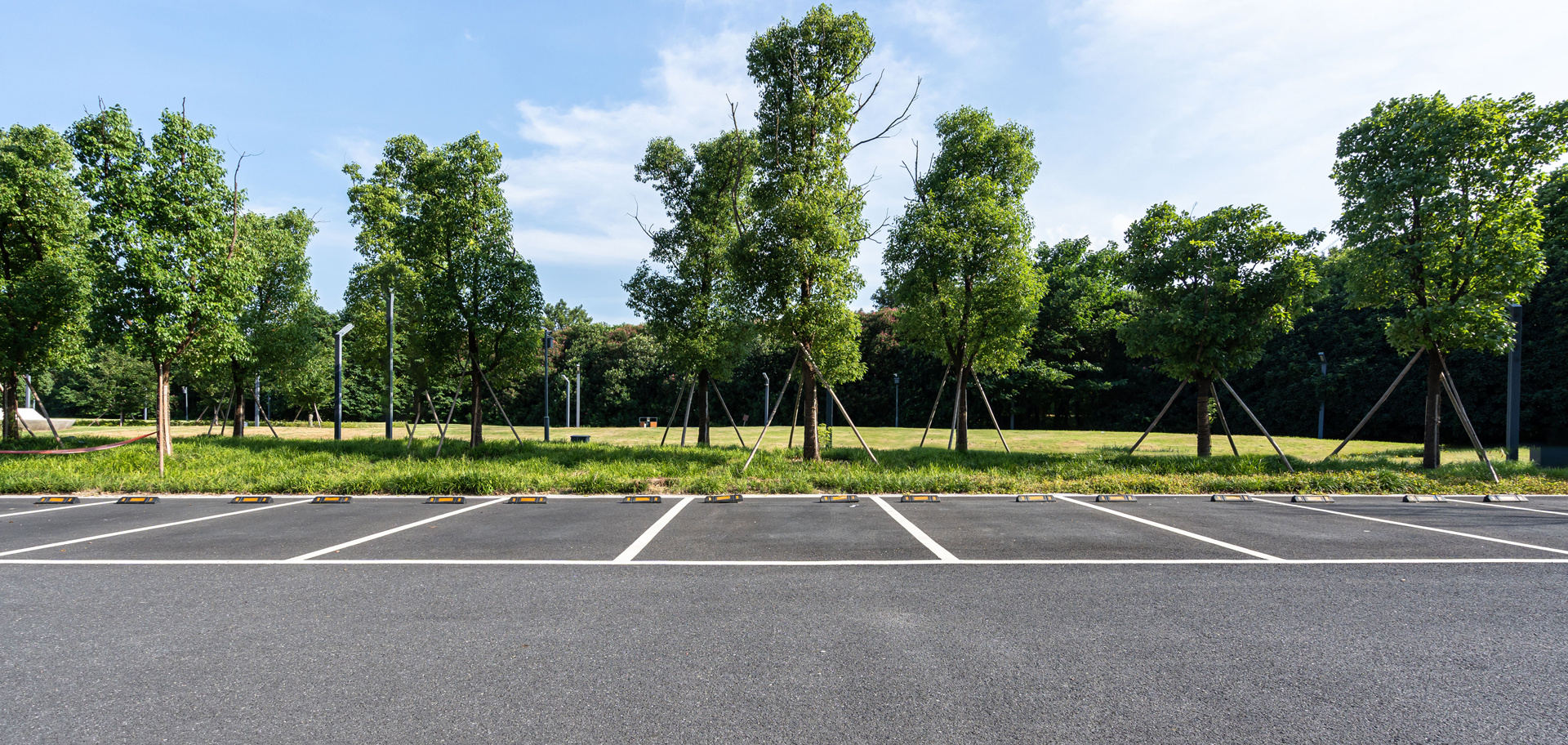
The human demand for biomass encompasses actions such as “sealing,” covering the ground with impermeable materials, such as asphalt, buildings and concrete, stopping natural soil functions, causing floods and heat, and destroying habitats.
Using the global biosphere model LPJmL—which simulates daily carbon, nitrogen and water flows at a resolution of half a degree of longitude/latitude—the study, published in the journal One Earth in August 2025, provides a detailed inventory for each individual year since 1600, based on changes in climate and human land use. The research team not only computed, mapped and compared the two indicators for functional integrity of the biosphere, but also evaluated them by conducting a mathematical comparison with other measures from the literature for which “critical thresholds” are known. This resulted in each area being assigned to one of three statuses: Safe Operating Space, Zone of Increasing Risk or High-Risk Zone.
The model calculation shows that worrying developments began as early as 1600 in the midlatitudes. By 1900, the proportion of global land area where ecosystem changes went beyond the locally defined Safe Operating Space, or were even in the High-Risk Zone, was 37% and 14% respectively, compared to the 60% and 38% we see today. Industrialization was beginning to take its toll; land use affected the Earth system much earlier than climate warming. At present, this biosphere boundary has been transgressed on almost all land surfaces—primarily in Asia, Europe and North America—that underwent strong land-cover conversions, mainly due to agriculture.
This is the first world map showing the overshoot of the boundary for functional integrity of the biosphere, depicting both human appropriation of biomass and ecological disruption. From a scientific perspective, it’s a breakthrough, offering a better overall understanding of planetary boundaries. The authors of the study say it also provides an important impetus for the further development of international climate policy because it points to the link between biomass and natural carbon sinks, and how they can contribute to mitigating climate change. Comprehensive biosphere protection and strong climate action should be treated as a single, overarching issue, conclude the researchers.
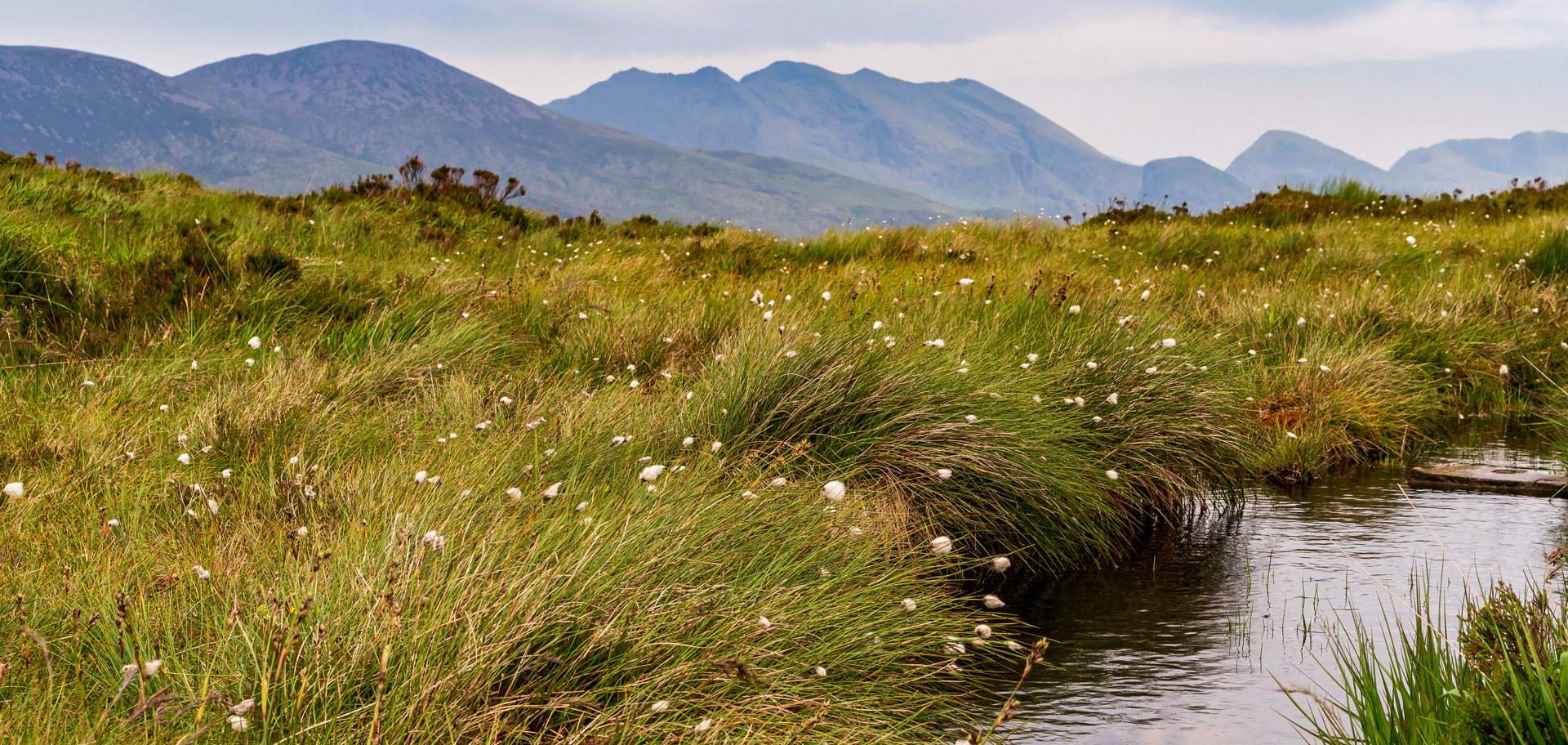
Natural carbon sinks take in more CO2 from the atmosphere than they release. Forests, mangroves, oceans (which absorb huge amounts of CO2 through physical processes and biological organisms like phytoplankton), peatlands, seagrasses, soils and wetlands are all crucial for mitigating climate change by acting as natural reservoirs for carbon.
Insects are disappearing
Like the Earth’s safe zones, insects worldwide are disappearing at an astounding rate. In 2017, one study revealed that insect populations had declined by 75% in less than three decades. Countless additional published papers followed, with scientists hypothesizing different reasons for the decline.
To better understand the scientific community’s views more broadly, a team of researchers at New York’s Binghamton University analyzed more than 175 scientific reviews, which included more than 500 hypotheses on different drivers of insect decline. Using this information, they created an interconnected network of 3,000 possible links, including everything from beekeeping to urban sprawl.
After examining the long list of possible links, agricultural intensification was found to be the most cited reason for insect losses, via issues like land-use change and insecticides. However, it’s more complicated than just ranking drivers, as systems are interconnected and impact one another. For example, climate might be a cause of diminishing insect numbers, but under the umbrella of climate, factors such as fire, extreme precipitation and warmer temperatures can influence other drivers. It’s a highly connected and synergistic network.

Most insect research focuses on charismatic and popular insects, such as bees and butterflies, despite their being in the vast minority of insect biodiversity.
And still, state the researchers in their meta-analysis, published in the journal BioScience in June 2025, many ideas are overlooked. The International Union for Conservation of Nature, for example, has a list of all the potential threats to consider in insect conservation. But huge portions of that list never made an appearance in recent insect-decline literature. For example, none of the papers mentioned natural disasters; and no papers looked at the effects of human disturbance, railroads or war on insects. So, while there are big areas that we know in general are threats to biodiversity, the insect-decline literature is focused on just a few, big stressors, as opposed to getting into the more specific ones.
The researchers identified biases in recent literature, most notably those generated from a focus on charismatic and popular insects, such as bees and butterflies, despite their being in the vast minority of insect biodiversity. And because people have focused so much on pollinators, we’re limited in identifying conservation actions that benefit other insects. Conservation actions overly biased towards certain insects or certain stressors will likely be negative for many other insects—in fact, for most of them, write the scientists.
But there’s yet another critical gap in global insect research. Few reports examine populations in relatively pristine areas. Now, scientists from the University of North Carolina at Chapel Hill are filling that void by showing that insect populations are rapidly declining even in undisturbed landscapes, raising concerns about the health of ecosystems that depend on them.
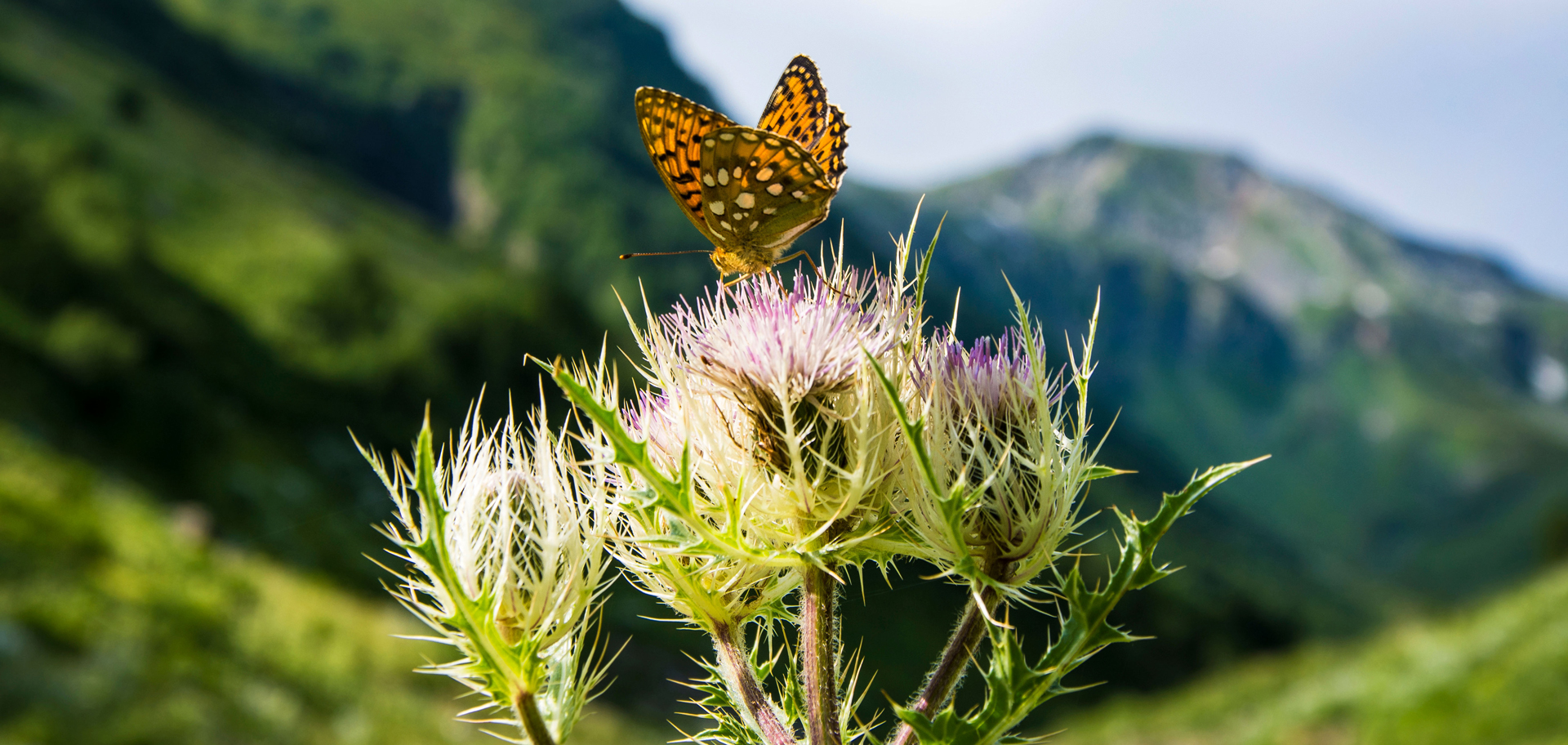
One critical gap in global insect research is how they’re faring in relatively undisturbed landscapes, such as mountain environments.
Between 2004 and 2024, UNC–Chapel Hill biologists quantified the abundance of flying insects during 15 seasons on a subalpine meadow in Colorado, a site with 38 years of weather data and minimal direct human impact. Their findings, published in the journal Ecology in September 2025, demonstrated an average annual decline of 6.6% in insect abundance, amounting to a 72.4% drop over the 20-year period. This reduction is associated with rising summer temperatures.
Mountains are host to disproportionately high numbers of locally adapted endemic species, including insects. Thus, the status of mountains as biodiversity hot spots may be in jeopardy if the declines shown here reflect trends broadly, state the scientists. By showing that even remote ecosystems with few people are not immune, the study highlights the need for more comprehensive monitoring of insect populations in a variety of landscapes and adds urgency to addressing climate change.
Glaciers are going
Glaciers across the planet are shrinking at an accelerating pace. In some parts of the world, they are expected to disappear entirely. When scientists focus on the number of individual glaciers that are vanishing rather than total ice volume, they find that the Alps could reach their highest rate of glacier loss between 2033 and 2041. How severe this period becomes depends on how high global temperatures rise. During this window, more glaciers could disappear than at any other time on record. On a global scale, the peak in glacier losses is expected roughly a decade later, with annual losses increasing from about 2,000 to as many as 4,000 glaciers.
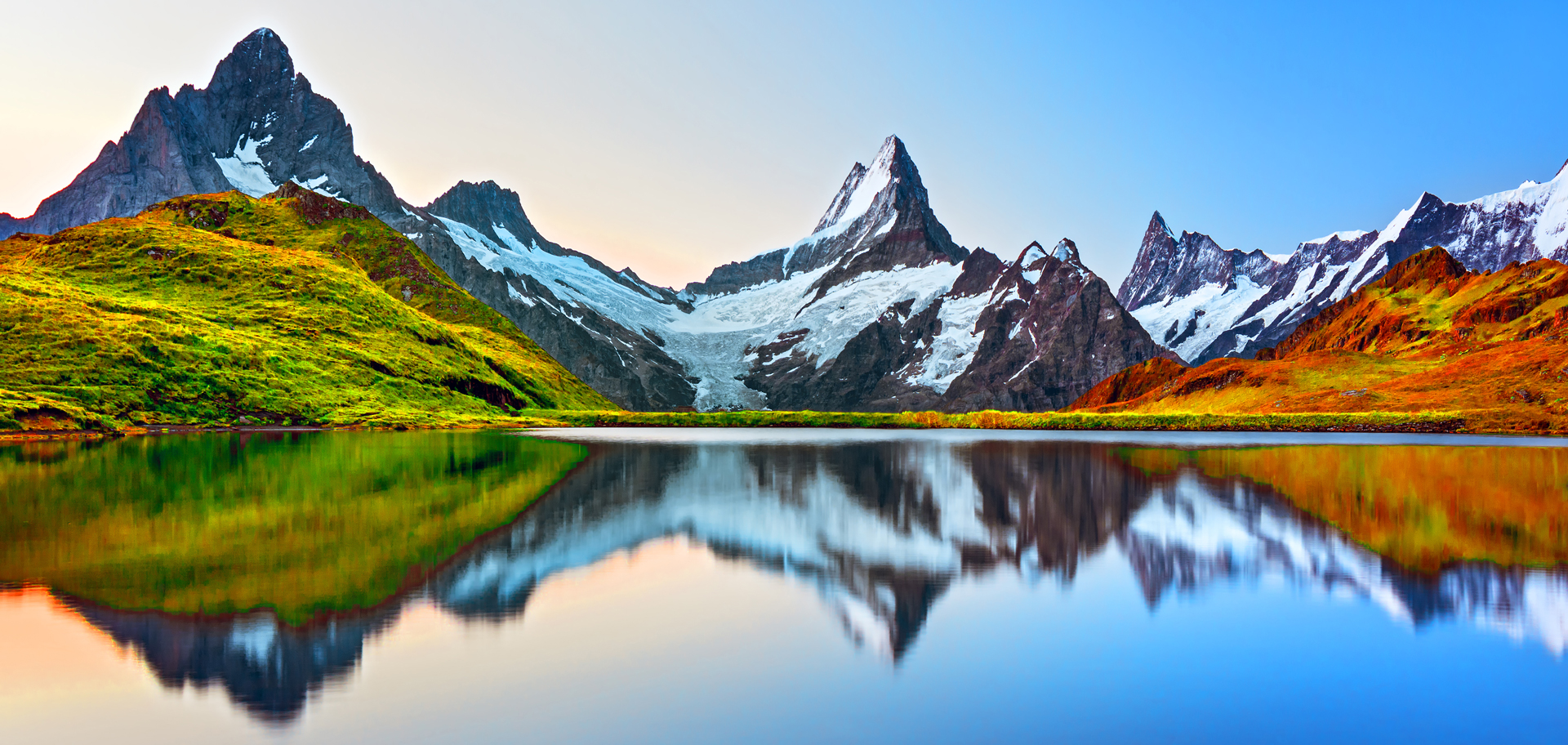
Glaciers across the planet are shrinking at an accelerating pace. For the first time, scientists have put years on when every single glacier on Earth will disappear. The outlook for the Alps is especially severe.
The outlook for the Alps is especially severe. If current climate policies lead to a global temperature increase of more than 4.86 degrees Fahrenheit, projections suggest that by 2100 only around 110 glaciers would remain in Central Europe. This would represent just 3% of today’s total. Under a more-than-7.20-degrees-Fahrenheit-warming scenario, that number drops further to about 20 glaciers. Even glaciers of moderate size, including the Rhone Glacier, would be reduced to small patches of ice or vanish altogether. In the same scenario, the vast Aletsch Glacier would break apart into several smaller sections. These changes extend a pattern already documented by Switzerland’s ETH Zurich researchers, and there is no indication that it is slowing. Their work shows that between 1973 and 2016, more than 1,000 glaciers disappeared in Switzerland alone.
Recently, an international research team led by ETH Zurich, the Swiss Federal Institute for Forest, Snow and Landscape Research and Belgium’s Vrije Universiteit Brussel used these findings to calculate—for the first time—how many glaciers around the world disappear each year, how many are likely to survive through the end of the century and how long individual glaciers are expected to persist. Their findings were published in the journal Nature Climate Change in December 2025.
Previous studies largely examined glacier change by measuring total ice mass or surface area. In contrast, the ETH Zurich-led team focused on the number of glaciers themselves, their geographic distribution and the timing of their disappearance. This approach reveals that regions dominated by small glaciers at lower elevations or closer to the equator face the greatest risk. These vulnerable areas include the Alps, the Caucasus, the Rocky Mountains, and parts of the Andes and African mountain ranges located at low latitudes. In these regions, more than half of all glaciers are expected to vanish within the next 10 to 20 years.
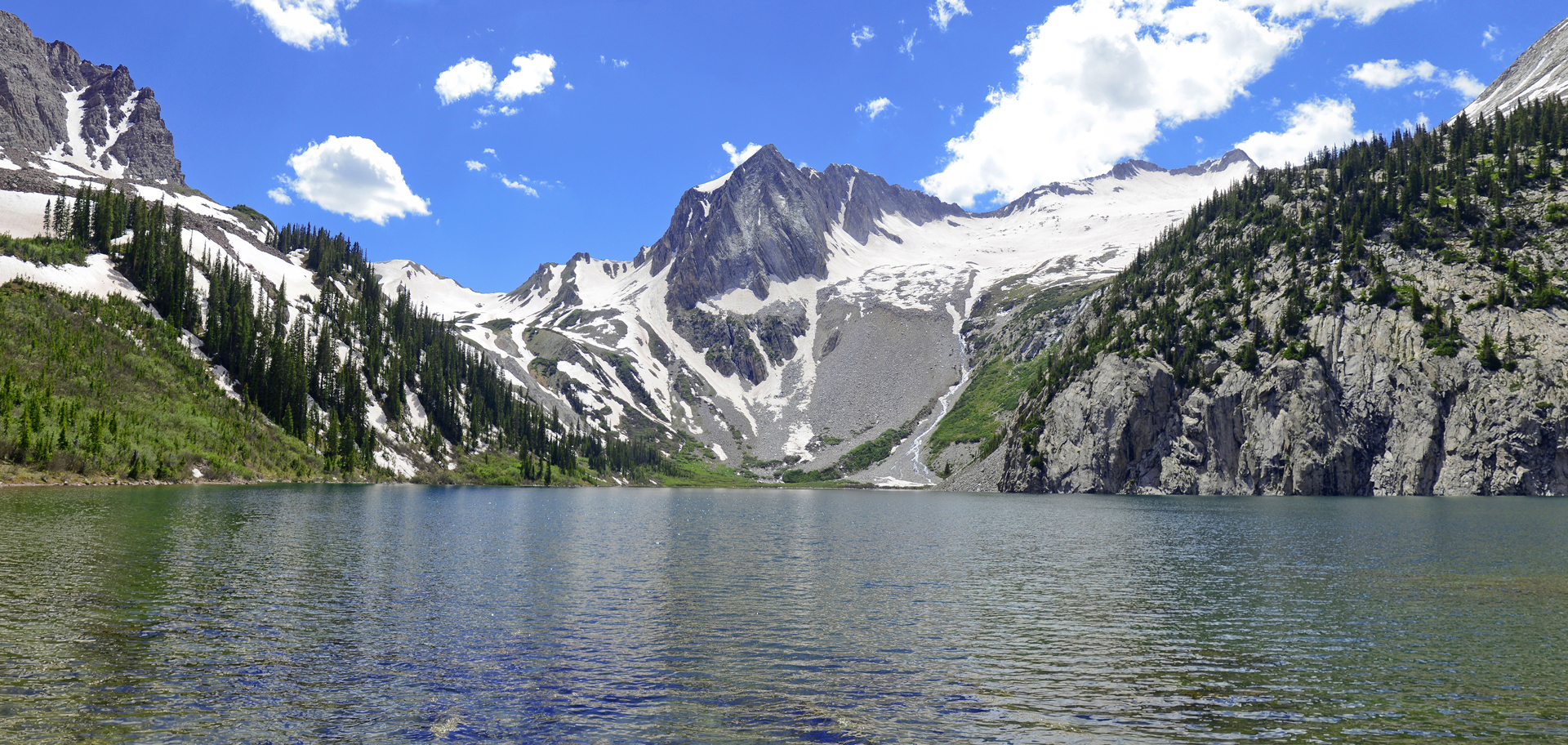
In the Rocky Mountains under a warming scenario of 2.7 degrees Fahrenheit, about 4,400 glaciers would persist, representing about 25% of today’s estimated 18,000 glaciers. At a 7.2-degree-Fahrenheit rise, only about 101 would remain, amounting to a 99% loss.
The speed at which glaciers retreat is closely tied to how much the planet warms. To explore this relationship, the researchers ran simulations using three advanced, global, glacier models across several climate scenarios. For the Alps, their results show that limiting warming to 2.7 degrees Fahrenheit, consistent with the Paris Agreement, would allow about 12% of glaciers to remain by 2100, or roughly 430 out of about 3,000 glaciers present in 2025. At a rise of 3.6 degrees Fahrenheit, the number falls to around 8%, or about 270 glaciers. At a 7.2-degrees-Fahrenheit rise, survival drops to just 1%, which corresponds to about 20 glaciers.
Similar patterns appear in other mountain regions. In the Rocky Mountains, about 4,400 glaciers would persist under a 2.7-degrees-Fahrenheit-rise scenario, representing roughly 25% of today’s estimated 18,000 glaciers. At a rise of 7.2 degrees Fahrenheit, only about 101 would remain, amounting to a 99% loss. No region is projected to escape this trend. Even in the Karakoram region of Central Asia, where some glaciers briefly advanced after the turn of the century, long-term projections show continued glacier loss.
The researchers introduce a new concept called “Peak Glacier Extinction.” This term describes the moment when the number of glaciers disappearing in a single year reaches its highest level. After that point, annual losses decline because many of the smaller glaciers have already vanished. This distinction is important: glacier ice continues to shrink even after the number of disappearing glaciers begins to fall.
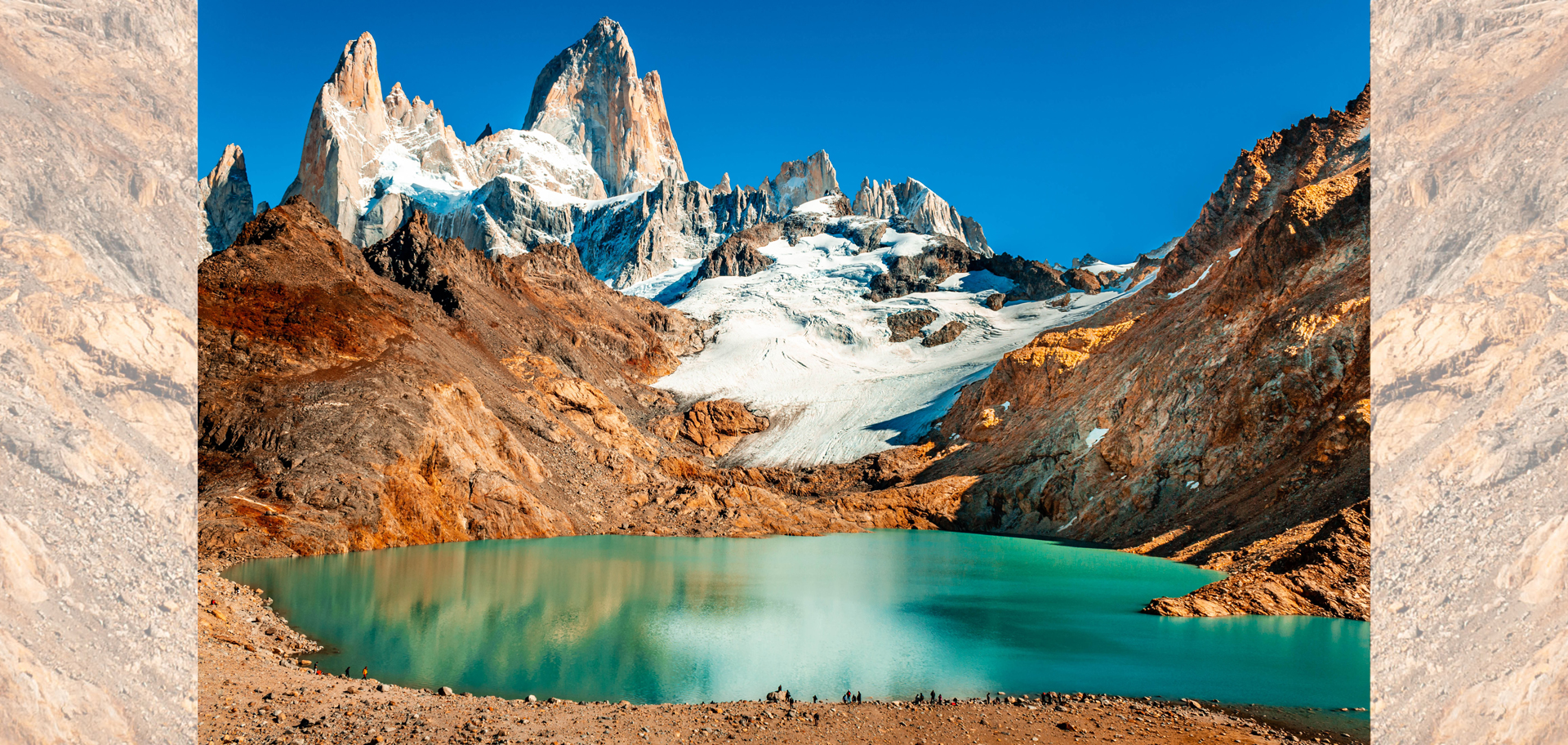
In the Andes Mountains, approximately 43% of glaciers would survive at a 2.7-degree-Fahrenheit rise. Under 7.2 degrees Fahrenheit of warming, the situation dramatically changes. The Andes would retain only around 950 glaciers, a 94% reduction.
The timing of this peak varies depending on warming levels. Under a 2.7-degrees-Fahrenheit increase in global temperature, Peak Glacier Extinction is expected around 2041, when about 2,000 glaciers will dematerialize in one year. With more than 7.2 degrees Fahrenheit of warming, the peak shifts to around 2055; and the annual number of lost glaciers rises to about 4,000. Although it may seem counterintuitive that the peak arrives later under stronger warming, the explanation lies in the behavior of larger glaciers. In warmer conditions, not only do small glaciers vanish, but large glaciers also eventually disappear. Accounting for the complete loss of even the biggest glaciers is one of the key strengths of this approach.
The ETH Zurich team found that at 7.2 degrees Fahrenheit of warming, the number of glaciers disappearing at the peak is roughly double that seen at a 2.7-degrees-Fahrenheit increase. Under the 1.5-degree scenario, about half of today’s glaciers are expected to survive. At an increase of 4.86 degrees Fahrenheit, only about one-fifth remain; and at the 7.2-degrees-Fahrenheit-rise mark, survival drops to around one-tenth. Even small differences in temperature matter, and the results underline how urgently ambitious climate action is needed.
By identifying when and where glaciers are likely to vanish, the study also provides practical guidance. Local communities, policymakers, the tourism industry and those responsible for managing natural hazards can use this information to prepare for a future with less ice and more uncertain water supplies.
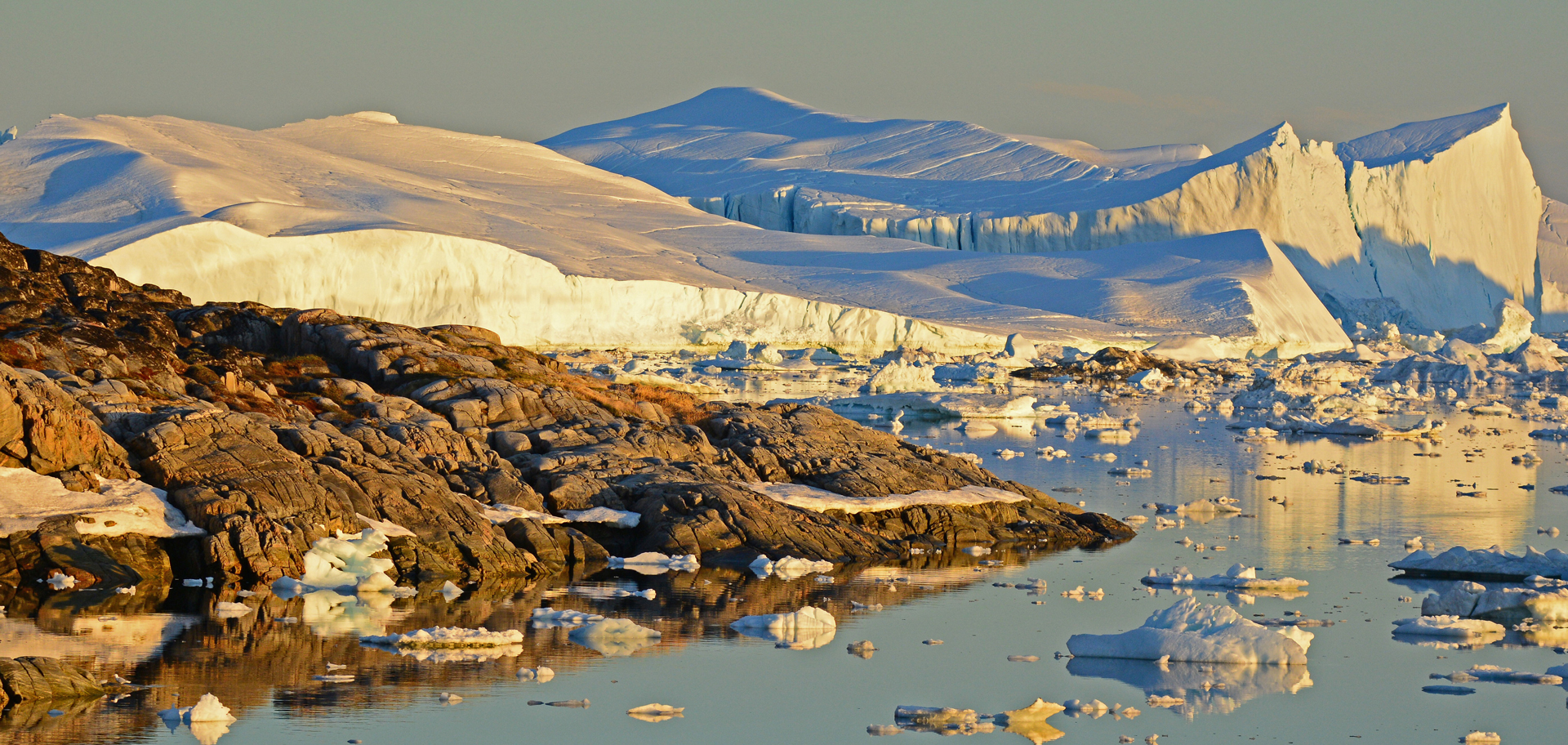
Scientists recently released a landmark report on glacial geoengineering, an emerging field that studies whether technology could halt the melting of glaciers and ice sheets as climate change progresses.
Geoengineering is emerging
Can we do anything to stop the vanishing of some precious things? For glaciers, at least, two major categories of interventions have been proposed. A group of scientists recently released a landmark report on glacial geoengineering, an emerging field studying whether technology could halt the melting of glaciers and ice sheets as climate change progresses. The white paper represents the first public efforts by glaciologists to assess possible technological interventions that could help address catastrophic sea-level-rise scenarios.
Scientists have documented major changes in every major glacier system worldwide. As climate change continues, these colossal ice sheets will release more water, which will lead to rising global sea levels—the oceans have already risen by eight to nine inches since the late 1800s. Most of the ice that would affect global sea levels is concentrated in a few areas in the Arctic and in Antarctica. This has prompted speculation whether it would be possible to slow or halt this melting, such as by installing walls around ice sheets to insulate them from warming ocean water.
But any such intervention could have major consequences, ranging from prohibitive costs for little effect to majorly disturbing Arctic ecosystems and livelihoods. It would take 15 to 30 years for us to understand enough to recommend or rule out any of these interventions, and the argument is that we should start funding this research now so that we aren’t making panicked decisions when the water is lapping at our ankles. The report is also clear that the first order of business is to stop emitting carbon into the atmosphere. But it is also possible that ice sheets have a tipping point for collapsing—and that we have already passed it.
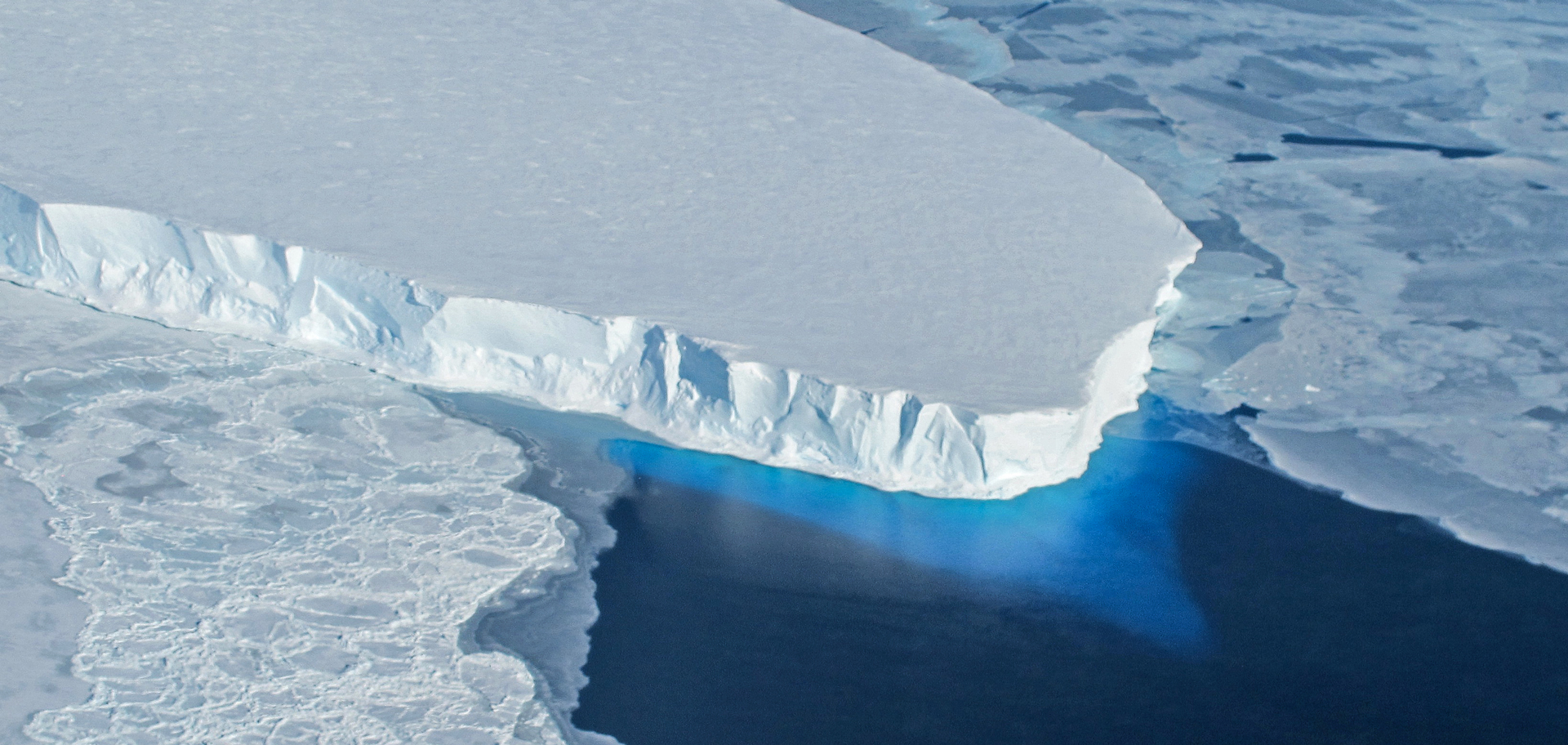
The amount of ice flowing from Antarctica’s Thwaites Glacier—and contributing to sea-level rise—has doubled in the span of three decades. Glacial geoengineers say that Thwaites might be a good candidate for a “curtain” moored on the seabed that would prevent warm water from undermining it even more.
The first category consists of some type of berms or fiber-based “curtains” moored on the seabed around the feet of ice shelves, which would prevent warm water from undermining them. From preliminary studies, the engineering required is less than you might think. For example, the Thwaites Glacier in Antarctica might require as little as 50 miles of seabed nets and curtains to make a difference.
The other major category of intervention is trying to slow the flow of streams that carry meltwater off the ice sheets. As an ice sheet melts, streams form and carry that melting water to the sea; the hypothesis is that reducing the amount of that water would cause the ice stream to freeze up and halt melting. One way to reduce the flow might be to drill holes down to the glacier bed—to either drain water from below the ice before it affects the glacier, or to try to artificially freeze the glacier bed.
However, both the benefits and drawbacks remain unclear for those two sets of approaches, say the scientists. It’s possible that seawalls could simply deflect warm water to nearby ice shelves, and that the installation would disrupt the lives of local people and marine animals and plants. Meanwhile, the drilling approach might be less harmful to ecosystems, but it would require a lot of engineering under harsh conditions and might also be less effective. So, while glacial geoengineering comes with substantial risks and is only a potential complement to—not a solution for—aggressive emissions reductions, the scientific community broadly agrees that research into geoengineering options to buy time is warranted.
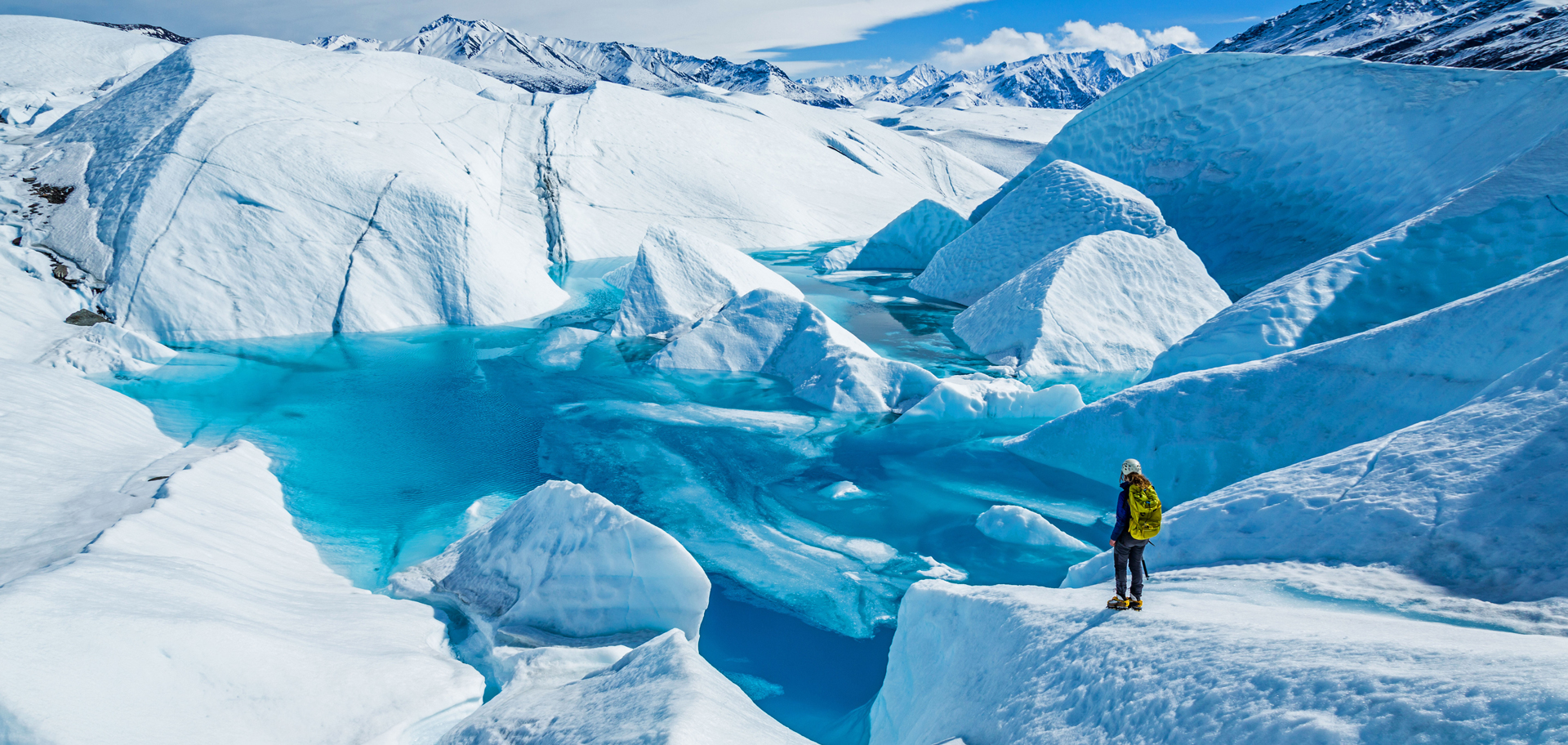
Every glacier is tied to a place, a story and the people who will feel its loss.
Grief is dissipating
There is a grief connected to vanishing things. And it’s a valid anguish, I think.
Whether it’s for environmental loss, health, people, pets or sentimental objects, the pain of impermanence is felt deeply in the heart. Sometimes we can find catharsis in surrendering to the sorrow, and sometimes we’re able to find it in memories.
That’s why I loved learning about the Global Glacier Casualty List, which documents the names and histories of glaciers that have already disappeared, including the Birch Glacier and the Pizol Glacier. Every glacier is tied to a place, a story and the people who feel its loss. The Global Glacier Casualty List succeeds in both asking us to protect the glaciers that remain—and to keep alive the memory of those that are gone.
Here’s to finding your true places and natural habitats,
Candy