






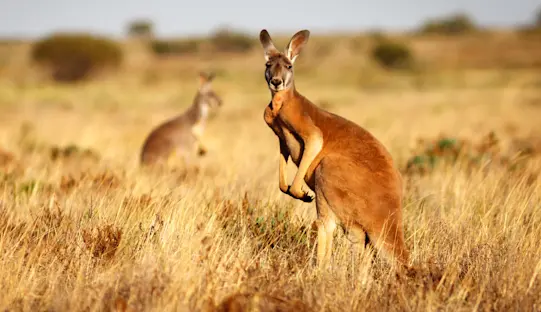








In the vast tapestry of life that crisscrosses the planet, migratory species embroider intricate patterns in mostly invisible lines across borders, oceans and continents. These journeys — shaped by ancient instincts, seasonal rhythms and shifting landscapes — connect ecosystems thousands of miles apart.
Some of the world’s most powerful migrations still endure. In East Africa, vast herds of wildebeest, zebra and gazelle move in near-constant motion across the Serengeti–Mara ecosystem, following rainfall and fresh grass across international boundaries. Far to the north, monarch butterflies — no heavier than a paper clip — undertake a multigenerational migration from the United States and Canada to the high mountain forests of central Mexico. Vast or fragile, thunderous or silent, these migrations depend on something increasingly rare: intact ecological connectivity.
That reality was underscored in early 2024 at the most recent Conference of the Parties to the Convention on Migratory Species (CMS), where the United Nations released its first global report on migratory species. The conference theme, Nature Knows No Borders, reflected the report’s central message: migratory wildlife cannot survive without connected landscapes and coordinated conservation across nations.
At that gathering, Nat Hab’s conservation partner, World Wildlife Fund, joined with other global organizations to launch the Global Partnership on Ecological Connectivity (GPEC), a collaborative effort designed to protect and restore the large-scale habitat networks migratory species require.
“We are convinced that achieving ecological connectivity is the challenge of our time. However, no one entity can achieve connectivity alone. This partnership is a significant leap forward in our collective ability to deliver connectivity impact at scale.”
— Rafael Antelo, WWF Wildlife Connect Leader and PACHA Coordinator
Global Threats to Migratory Species
The UN report highlights some of nature’s most remarkable journeys while delivering a sobering warning: nearly half of the migratory species assessed are experiencing population declines and more than 20% are threatened with extinction.
The most significant pressures are human-driven. Overexploitation — including unsustainable hunting, overfishing and bycatch — remains a leading cause of decline. Habitat loss, degradation and fragmentation caused by agriculture, infrastructure and urban expansion have severed many traditional migration routes.
Climate change compounds these threats. Rising temperatures, altered rainfall patterns and shifting seasons disrupt food availability and breeding cycles, while pollution and invasive species further strain already stressed populations.
Yet the report also offers hope. Coordinated conservation efforts, particularly those focused on restoring connectivity at scale, have demonstrated that recovery is possible. Several migratory species are already rebounding — living proof that targeted action works.

1. Humpback Whale: The Ocean’s Melodious Giants
The humpback whale is celebrated for its acrobatic displays and complex songs, making it one of the most recognizable cetaceans on Earth. Adults typically measure 46 to 56 feet long, with pectoral fins reaching up to 16 feet — among the longest of any whale species. Humpbacks are also the only baleen whales known to breach completely out of the water.
Humpback Migration
Humpback whales undertake some of the longest migrations of any mammal, traveling up to 9,900 miles annually between polar feeding grounds and tropical or subtropical breeding areas.
In the North Pacific, whales migrate between Alaska’s nutrient-rich waters and the Hawaiian Islands, completing the roughly 3,000-mile journey in as few as 28 days. Nat Hab’s Ultimate Alaska Wildlife Safari visits private Fox Island near Kenai Fjords National Park, offering exceptional opportunities to observe humpbacks feeding and traveling along this ancient route.
In the Southern Hemisphere, populations migrate from Antarctic feeding grounds to breeding areas off the coasts of Colombia, Madagascar and Australia, timing their journeys to ensure access to abundant food and safe calving waters.
Once driven to the brink of extinction by commercial whaling, humpback whales have staged a remarkable comeback. Current population estimates indicate that some regional populations are approaching pre-whaling numbers, including more than 40,000 individuals in eastern Australian waters alone.

A pod of humpback whales bubble-net feeding. Photographed by Nat Hab guest © Mary Campbell
Conservation Comeback
Key conservation measures behind this recovery include:
-
International Whaling Ban: The International Whaling Commission’s moratorium on commercial whaling since 1985
-
Habitat Protection: Safeguarded feeding and breeding areas in Alaska, Australia, Iceland and British Columbia
-
Entanglement Reduction: Fishing-gear modifications and response networks to reduce whale mortality
-
Vessel Traffic Management: Shipping regulations that reduce ship strikes in busy corridors
-
Research and Monitoring: Long-term population studies guiding conservation strategy
-
Public Engagement: Responsible whale-watching tourism that builds awareness and support
“Connectivity conservation recognizes that species survive and adapt better when their habitats are managed and protected as large, interconnected networks.”
— Chris Johnson, Global Lead, WWF Protecting Whales & Dolphins Initiative

Humpback whales photographed by Nat Hab guest © Jay Atherton on Great Bear Rainforest: In Search of Spirit Bears, Grizzlies & Whales.
Concerted conservation efforts have led to a remarkable recovery, with some humpback populations nearing pre-whaling numbers. The humpback whale’s improved status is a testament to the effectiveness of international conservation cooperation and dedicated conservation actions. More species need this kind of help.
Chris Johnson, Global Lead, WWF Protecting Whales & Dolphins Initiative says:
“The conservation needs and threats to migratory species need to be addressed with greater effectiveness, at a broader scale, and with renewed determination. Connectivity conservation is a concept that recognizes that species survive and adapt better when their habitats are managed and protected as large, interconnected networks.”
Monarch Butterfly: A Delicate Dance
The monarch butterfly’s migration is one of nature’s most intricate phenomena, spanning multiple generations and thousands of miles. With their vivid orange-and-black wings, monarchs are both pollinators and powerful symbols of ecological interdependence.

Monarch butterflies photographed by Nat Hab guest © Hank Davis
Monarch Migration
Eastern monarchs migrate 1,200 to 2,800 miles from breeding grounds across the United States and southern Canada to overwintering sites in the oyamel fir forests of central Mexico. There, millions cluster together for protection from winter cold within the Monarch Butterfly Biosphere Reserve.
Long-term monitoring has shown significant population declines driven by habitat loss, pesticide use and climate variability. Recent assessments indicate that overwintering populations can fluctuate dramatically from year to year, underscoring the species’ vulnerability.
Conservation efforts focus on protecting migratory corridors and restoring breeding habitat, particularly through the planting of native milkweed, the monarch caterpillar’s sole food source. The eastern monarch is currently listed as Endangered on the IUCN Red List.
Nat Hab’s Kingdom of the Monarchs journeys provide access to protected overwintering sites while supporting local conservation initiatives and community-based stewardship in Mexico.
Western monarchs, which migrate to coastal California, experienced even steeper declines — at one point dropping by more than 99% from historic levels. Recent counts show encouraging rebounds following habitat restoration and pesticide reduction, though populations remain far below long-term averages.
Conservation Comeback
Ongoing monarch conservation efforts include:
-
Habitat Restoration: Reestablishing milkweed and nectar corridors
-
Pesticide Reduction: Promoting pollinator-friendly land management
-
Public Engagement: Citizen science and community education
-
Policy Support: Advocacy for habitat protection and migratory safeguards
These efforts demonstrate that recovery is possible — but only with sustained commitment.

Photographed by Nat Hab Expedition Leader & Chief Sustainability Officer © Court Whelan
Saiga Antelope: Back from the Brink
The saiga antelope is distinguished by its bulbous nose, which functions to filter dust and regulate temperature. This medium-sized hoofed mammal once ranged from Poland to Mongolia but now primarily resides in the Eurasian steppe: Kazakhstan, Russia and Mongolia.

Saiga Migration
Saigas are known for their impressive migrations, traveling vast distances between their winter and summer pastures in search of food and breeding grounds. These seasonal movements are crucial for their survival, allowing them to navigate the harsh steppe environment.
Despite facing severe threats from poaching, habitat loss and disease, conservation efforts have led to a remarkable recovery, showcasing the species’ resilience and the effectiveness of international cooperation in wildlife conservation.
At its lowest point, the population of saiga antelopes dwindled to a perilous low of just 39,000 individuals.
Conservation Comeback
Concerted conservation actions have seen the saiga population in Kazakhstan increase dramatically over the past decade, demonstrating the effectiveness of international cooperation and targeted conservation actions.
Amy Fraenkel, head of the Convention on the Conservation of Migratory Species of Wild Animals (CMS) secretariat, uses the saiga antelope as an example of successful international conservation cooperation, saying:
“We know what needs to be done. There is a lot of reason for hope. In some cases, we can use a regional approach. We have an initiative in Central Asia called the Central Asian Mammal Initiative. It includes all five Central Asian countries and a few others, including Mongolia. We look at species of antelopes and gazelles. The countries have agreed on a set of priorities. There are some good successes, including the saiga antelope, which had been in massive decline and now numbers in the millions. It’s wonderful to see that kind of result.”

Saiga antelope conservation initiatives include:
-
International Conservation Agreements: Countries within the saiga’s range — Kazakhstan, Mongolia, Russia and Uzbekistan — have agreed on joint conservation measures under the CMS to conserve and sustainably use the species.
-
Anti-Poaching Efforts: Increased anti-poaching patrols and stricter penalties have been crucial in protecting the saiga from illegal hunting.
-
Habitat Protection: Efforts to improve and restore the saiga’s habitat have been implemented, ensuring safe migratory routes and breeding grounds.
-
Population Monitoring: Regular population counts and monitoring have helped track the success of conservation efforts and inform management decisions.
-
Community Engagement: Involving local communities in conservation programs has been key to the sustainable management of saiga populations.
-
Disease Management: Addressing wildlife diseases that have previously led to mass die-offs has been an essential part of the conservation strategy.
The saiga antelope’s conservation status has improved from Critically Endangered to Near Threatened, with current estimates placing the global population at roughly 1.9 to 2 million individuals.
Black-faced Spoonbill: Pan-Asia Flier
The black-faced spoonbill, with its striking black face and long, flat bill, is a wading bird that inhabits coastal areas of East Asia. This endangered species has the most restricted distribution among spoonbills, breeding on a small number of islands off North Korea and migrating to wintering grounds in Taiwan, Hong Kong and Vietnam.

In the late 1980s, the global population of black-faced spoonbills fell to fewer than 300 individuals. Since then, sustained conservation efforts across its migratory range have led to a significant recovery.
According to international monitoring programs, the global population now numbers more than 6,000 individuals — a remarkable turnaround and a testament to the power of cross-border cooperation in species conservation.
Conservation Comeback
Key conservation actions supporting the recovery of the black-faced spoonbill include:
-
International Action Plans: Long-term, coordinated action plans have played a pivotal role in stabilizing and rebuilding populations across the species’ range.
-
Habitat Protection: Protection of breeding, stopover and wintering sites through reserves and managed wetlands has been critical.
-
Community Involvement: Engagement with local communities and public education efforts have increased awareness and support for spoonbill conservation.
-
International Cooperation: Countries along the East Asian–Australasian Flyway have worked together to preserve essential habitats and align conservation strategies.
As a result of these sustained efforts, the black-faced spoonbill’s conservation status has improved to Vulnerable. While challenges such as habitat loss and pollution persist, long-term monitoring indicates that continued international collaboration could further strengthen population stability.
The black-faced spoonbill’s recovery stands as a powerful example of how coordinated action across borders can reverse dramatic declines and support the long-term survival of migratory species.

How You Can Help Protect Migratory Species
Reducing light pollution is one of the simplest actions individuals can take. Artificial night lighting disrupts navigation for birds and insects, contributing to hundreds of millions of avian deaths annually. Small changes — shielding outdoor lights, using warmer bulbs or turning lights off when not needed — can make a meaningful difference.
Responsible pet ownership also matters. Free-ranging domestic cats pose a significant threat to migratory birds and other wildlife.
Supporting conservation organizations, advocating for habitat protection and making thoughtful choices about energy and resource use all contribute to healthier, more connected ecosystems.

Humpback whale mother and calf
Bearing Witness to the World’s Great Migrations
Whether it’s the thunder of hooves crossing the Serengeti or the soft flutter of monarch wings settling into a Mexican forest, migrations remind us that nature operates beyond borders — and that its survival depends on cooperation.
Through conservation-focused journeys such as Nat Hab’s Tanzania Great Migration adventure and its monarch butterfly expeditions in Mexico, travelers can witness these extraordinary movements firsthand while supporting the protection of the landscapes and communities that sustain them.
By safeguarding connectivity today, we help ensure that Earth’s great migrations continue — not as relics of the past, but as living testaments to resilience and renewal.
Witness some of the planet’s most remarkable migrations on Nat Hab’s conservation-driven journeys.