









Many birds use tools. In fact, tool use extends across at least 33 bird families, with some species demonstrating advanced problem-solving skills like bending, combining and modifying objects to access food, defend themselves or maintain their feathers.
Tool use isn’t unique to humans. Various species across the animal kingdom, including birds, insects and mammals, exhibit the behavior. For example, sea otters use stones to crack open shellfish, while crows modify twigs to probe for hidden prey—and even have been observed using cars to crack open nuts. Tool use can also extend to defense, environmental modification and grooming, showcasing the adaptability and intelligence of these species. Now, that list of observed tool-using animals is growing.
Goffin’s cockatoos have been found to carry multiple tools to their worksites when a job calls for it. An elephant has shown remarkable skill in using a hose as a flexible shower head. As an unexpected bonus, a fellow elephant turned the water off, perhaps as a kind of prank. Octopuses can learn to use mirrors to locate food hidden behind them—a skill previously seen only in vertebrates like birds and mammals. Southern resident orcas have been caught on drone videos crafting kelp tools to groom one another—an unprecedented behavior among marine mammals. And chimpanzees living in Gombe Stream National Park in Tanzania have taken it one step further: they employ a degree of engineering when making their tools, deliberately choosing plants that provide more flexibility for termite fishing.
Domestic animals are showing us that they can use tools, too. A pet cow named Veronika astonished scientists by using a brush in a purposeful way. She chooses different ends of the instrument depending on the part of her body she wants to scratch and adjusts her movements accordingly. This rare finding hints that cows may be much smarter than we assumed.
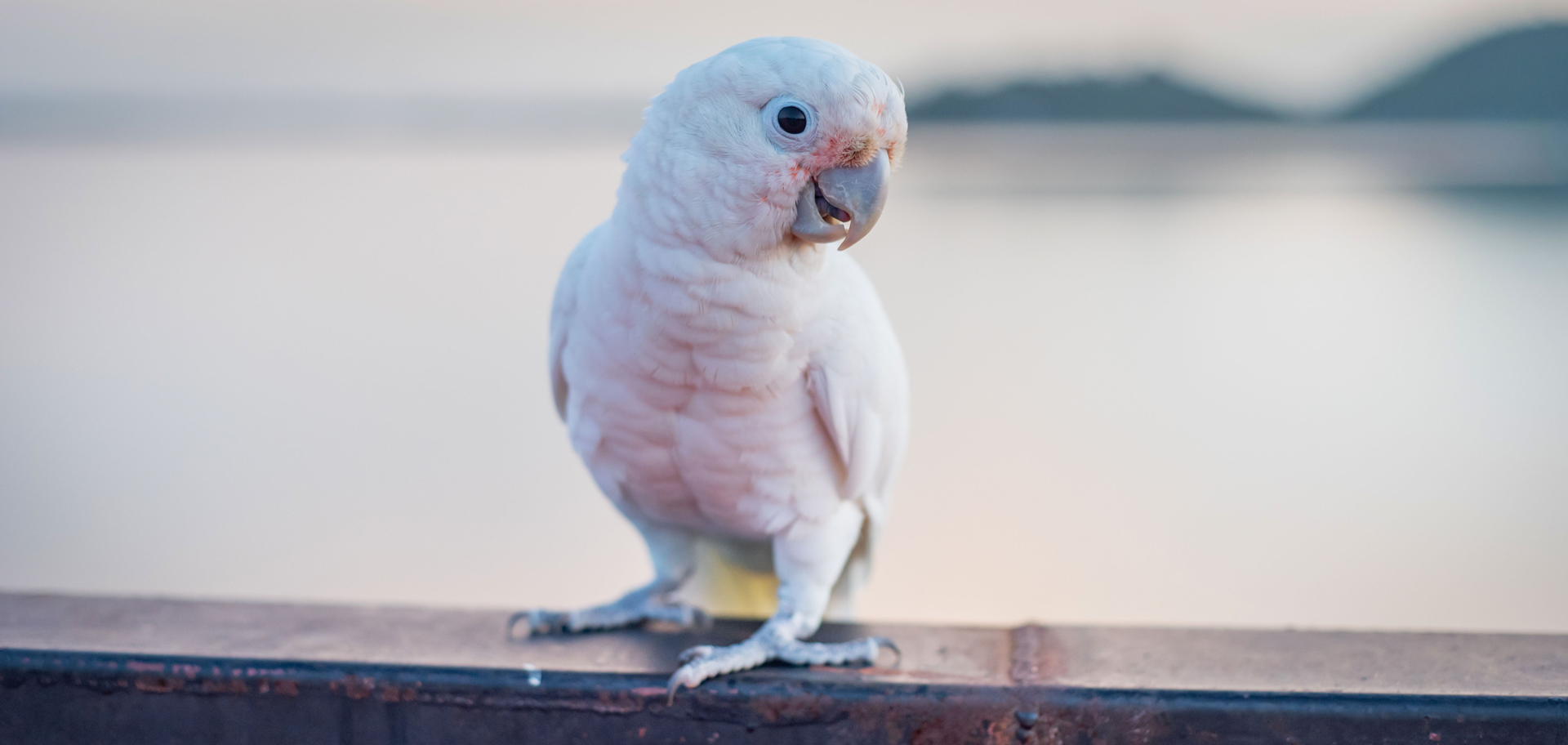
Goffin’s cockatoos are small, white parrots that hail from the Tanimbar Islands archipelago in Indonesia. They have white skin around their eyes and a grayish-white beak. The lores and base of their head feathers are salmon pink. The iris of a male’s eye is black, and a female’s iris is brown.
Cockatoos bring tool kits to their worksites
Goffin’s cockatoos are small, white parrots that hail from the Tanimbar Islands archipelago in Indonesia. While it’s known that captive Goffin’s cockatoos manufacture and use tools, a recent study of wild-caught cockatoos demonstrated that they can use up to three different tools to extract seeds from a fruit. It wasn’t clear, though, whether the cockatoos considered these tools as a “set”; it’s possible that what looks like a set of tools is instead nothing more than a chain of single tool uses, with the need for each new tool appearing to the animal as the task evolves.
To verify that the cockatoos do, indeed, recognize when a job requires more than one tool, a team of researchers from Austria’s University of Veterinary Medicine Vienna set up some experiments. The biologists were inspired in the design of their tests by the termite-fishing Goualougo Triangle chimpanzees in the Congo Basin in Africa—the only other known nonhuman animal to use sets of tools. These chimpanzees “fish” for termites via a two-step process: first, they use a blunt stick to break holes in the termite mound; and second, they insert a long, flexible probe to pull the termites out. In the cockatoo study, the team tasked the birds with fishing for cashews instead of termites. They presented each cockatoo with a box containing a cashew behind a transparent, paper membrane. To reach the cashew, the cockatoos had to punch through the membrane and then draw the cashew out. They were provided with a short, pointy stick for punching holes and a vertically halved plastic straw for fishing.
Seven of the 10 cockatoos tested taught themselves to extract cashews successfully by punching through the membrane, and two of the cockatoos (Figaro and Fini) completed the task within 35 seconds on their first attempt. The cockatoos don’t have an equivalent foraging behavior in the wild, so there was no chance that their tool use was based on innate behaviors, and each cockatoo used a slightly different technique.
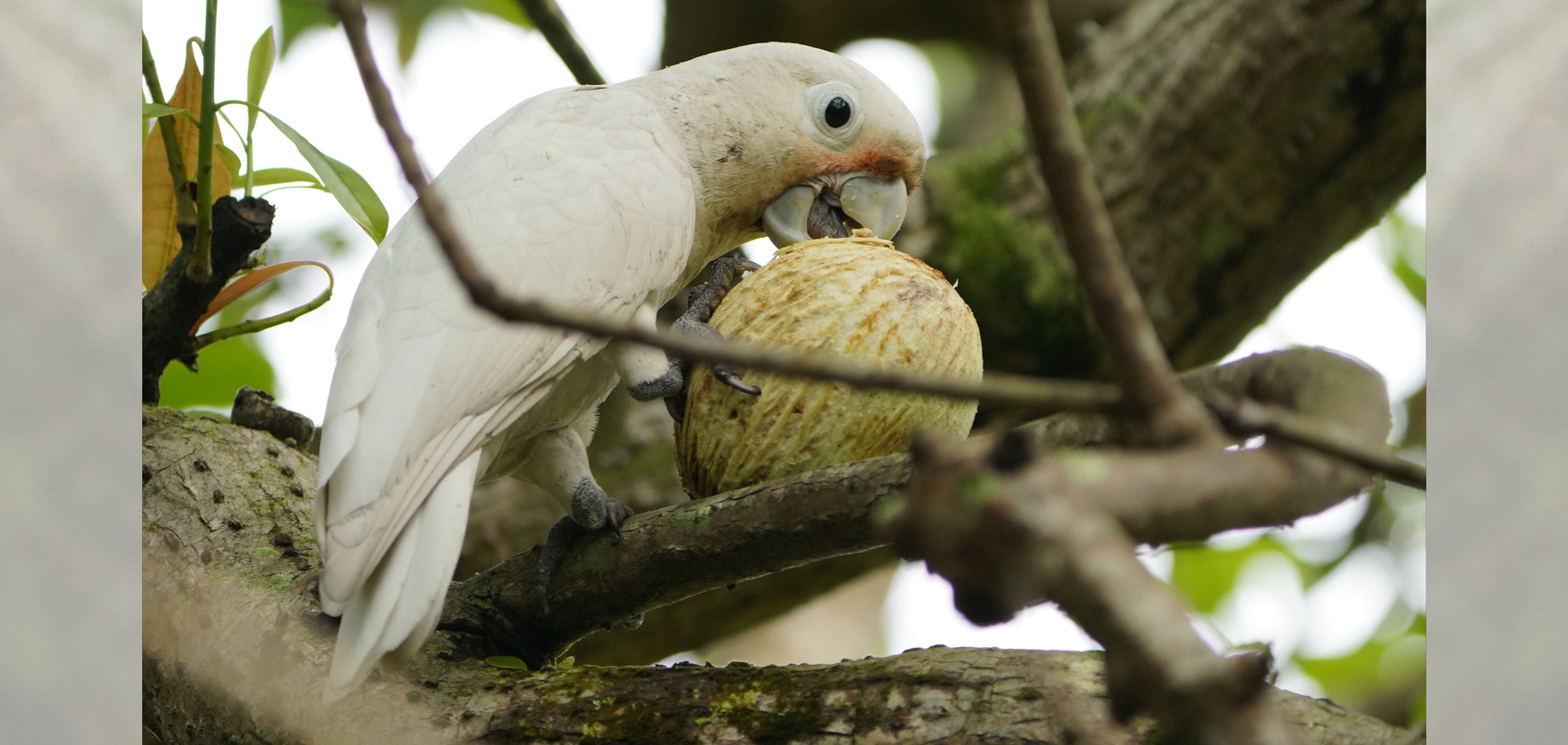
In their natural tropical habitat, Goffin’s cockatoos are highly opportunistic omnivores. They forage in the treetops for a variety of wild berries, blossoms, fruits, nuts and seeds, which can include wild-growing gourds. In addition, they are known to raid agricultural areas, feeding on accessible crops like various fruits, maize and melons.
Next, the university team tested the cockatoos’ abilities to change their tool uses in a flexible manner depending on the situation. To do this, they presented each cockatoo with two, different types of boxes: one with a membrane and one without. The cockatoos were given the same two tools, but they only needed the pointy stick when a membrane was in the way. The birds were watched to see if they would act according to the problem.
All of the cockatoos mastered the test in a very short time and were able to recognize when a single tool was sufficient. However, the birds engaged in an interesting behavior during the choosing phase. When making the choice between which tool to use first, they would pick one up, release it, then pick up the other one, release it, return to the first one and so on. The researchers found that when cockatoos did this switching, they performed better on the tests.
The scientists then tested the cockatoos’ capabilities for transporting the tools as a set on an as-needed basis. They put the cockatoos through a series of increasingly challenging trials to reach the boxes: first they had to climb a short ladder while carrying their tools; then they had to fly horizontally with them; and in the final test, they had to carry the tools while flying vertically. As before, the birds were only sometimes presented with a box with a membrane barrier, so they had to decide whether the problem required one or both tools.
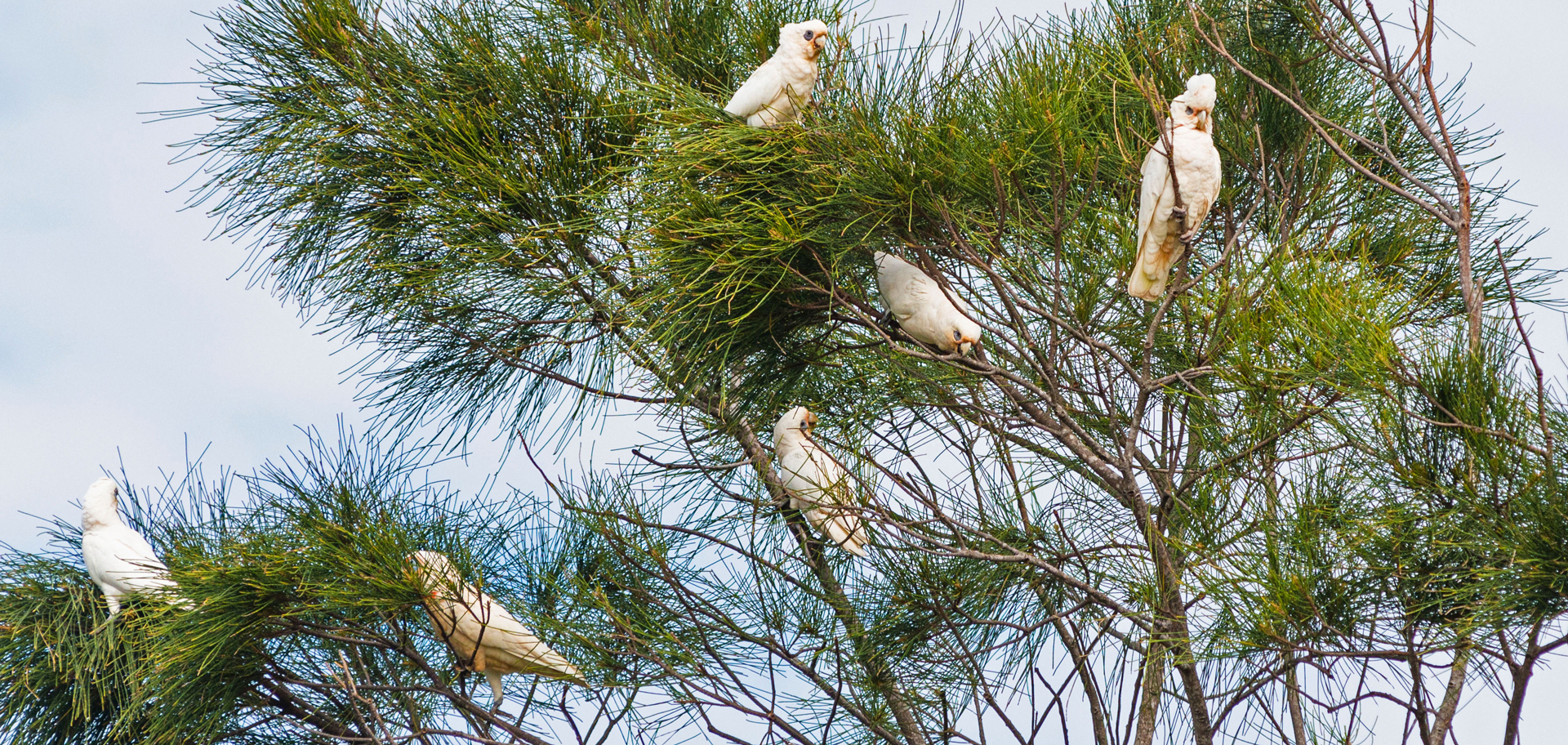
Goffin’s cockatoos are highly arboreal and spend most of their time high in the treetops. Forest trees provide food, hollows for nesting and roosting sites. Wild flocks have been extensively studied for their impressive ability to manipulate and use tree resources, including manufacturing tools from bark and twigs to extract seeds.
Some cockatoos learned to carry the two tools together—by inserting the short punching stick into the groove of the halved straw—when they were presented with a box that required both. (Birds very rarely transport more than one object in their normal behavior.) This meant that they only had to make one trip, albeit while carrying a heavier set of tools. Most of the cockatoos carried the tools that were needed, further indicating that they knew ahead of time when two tools were required; although some made two trips when necessary. One cockatoo, Figaro, decided not to waste time thinking and instead carried both tools in almost every trial.
In their study, which was published in the journal Current Biology in March 2023, the authors state that they found the birds’ switching behavior stunning. This experiment shows that, like chimpanzees, Goffin’s cockatoos not only appear to be to using sets of tools, but that they know that they are. The birds’ metacognition—their ability to recognize their own knowledge—will be exciting to explore.
An elephant turns a hose into a sophisticated shower
Recently, a scientist from Germany’s Humbolt University of Berlin witnessed an Asian elephant named Mary at Zoo Berlin showering and captured the event on film. She took the footage back to her colleagues who were immediately impressed. While watching it, they saw Mary systematically showering her body, coordinating the water hose with her limbs. She usually grasped the hose behind its tip to use it as a stiff shower head. But to reach her back, she switched to a lasso strategy, grasping the hose farther up and swinging it over her body. When presented with a larger and heavier hose, Mary used her trunk to wash instead of picking up the bulkier and less useful hose.
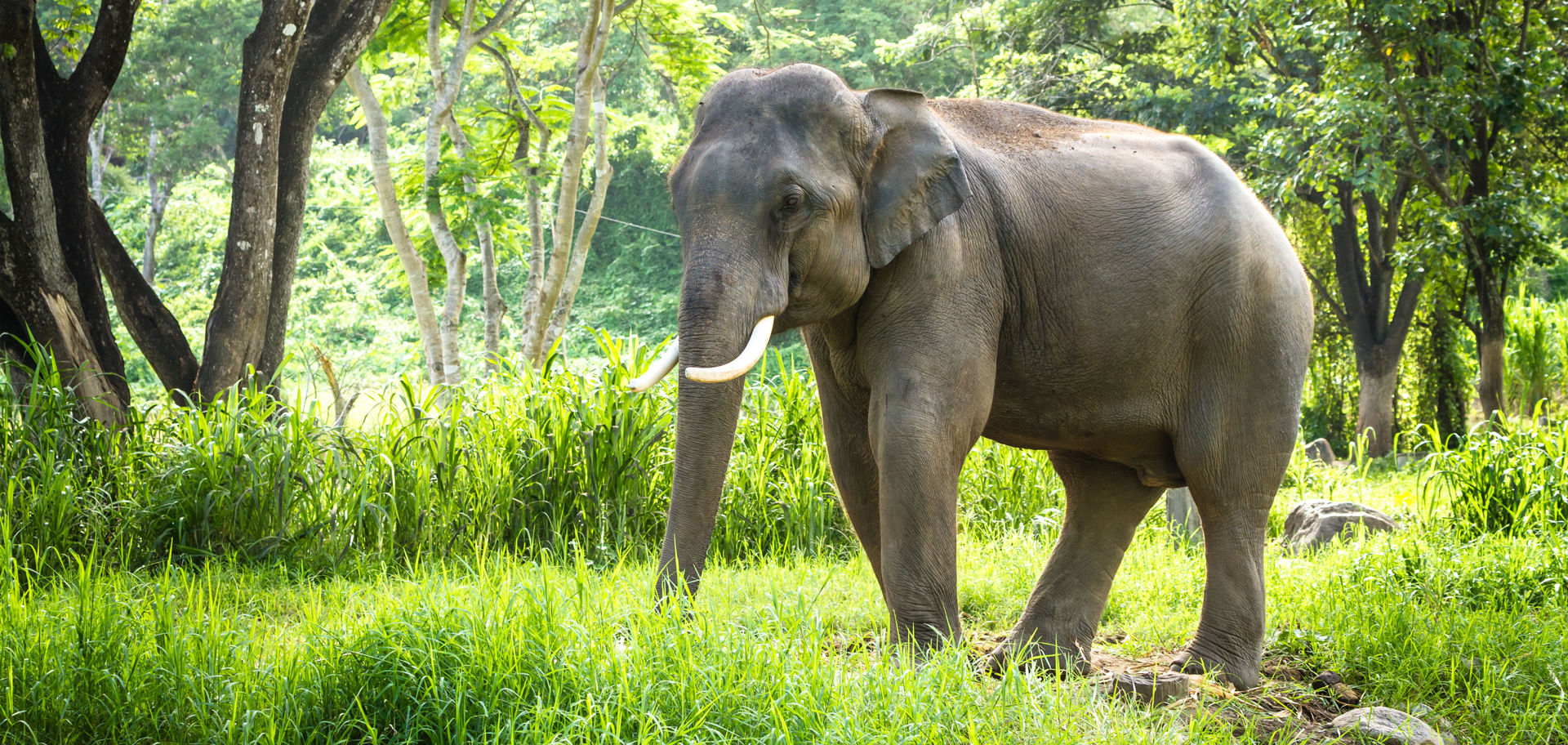
Asian elephants are found in isolated pockets of India and Southeast Asia, including Borneo and Sumatra. Although considered forest animals, they seem to prefer zones that include intermittent, open, grassy glades. This kind of transition area between forest and meadow contains a variety of plants not available in dense woodlands.
The scientists say that this display offers a new example of goal-directed tool use. But what surprised them most was the way a fellow Asian elephant named Anchali reacted during Mary’s showers. The two elephants showed aggressive interactions around showering time; and at one point, Anchali started pulling the hose toward herself and away from Mary, lifting and kinking it to disrupt the water flow. It looked a lot like Anchali was engaging in a kind of second-order tool-use behavior, disabling a tool being used by a fellow elephant, perhaps as an act of sabotage.
Anchali’s kinking and clamping of the hose was surprising, say the scientists, since no one had thought that she’d be smart enough to pull off such a trick. In fact, in the lab, plenty of debate followed regarding Anchali’s behavior and what it meant. Then, Anchali found another way to disrupt Mary’s shower: she did a “trunk-stand” to stop the water flow by placing her trunk on the hose and then lowering her massive body onto it.
Elephants are well trained not to step on hoses, lest zookeepers scold them. As a result, they almost never do. For that reason, it’s suspected that Anchali came up with the more challenging work-around to stop the water from flowing during Mary’s showers. When Anchali came up with a second behavior that disrupted the water flow, the scientists became convinced that she was trying to foil Mary.
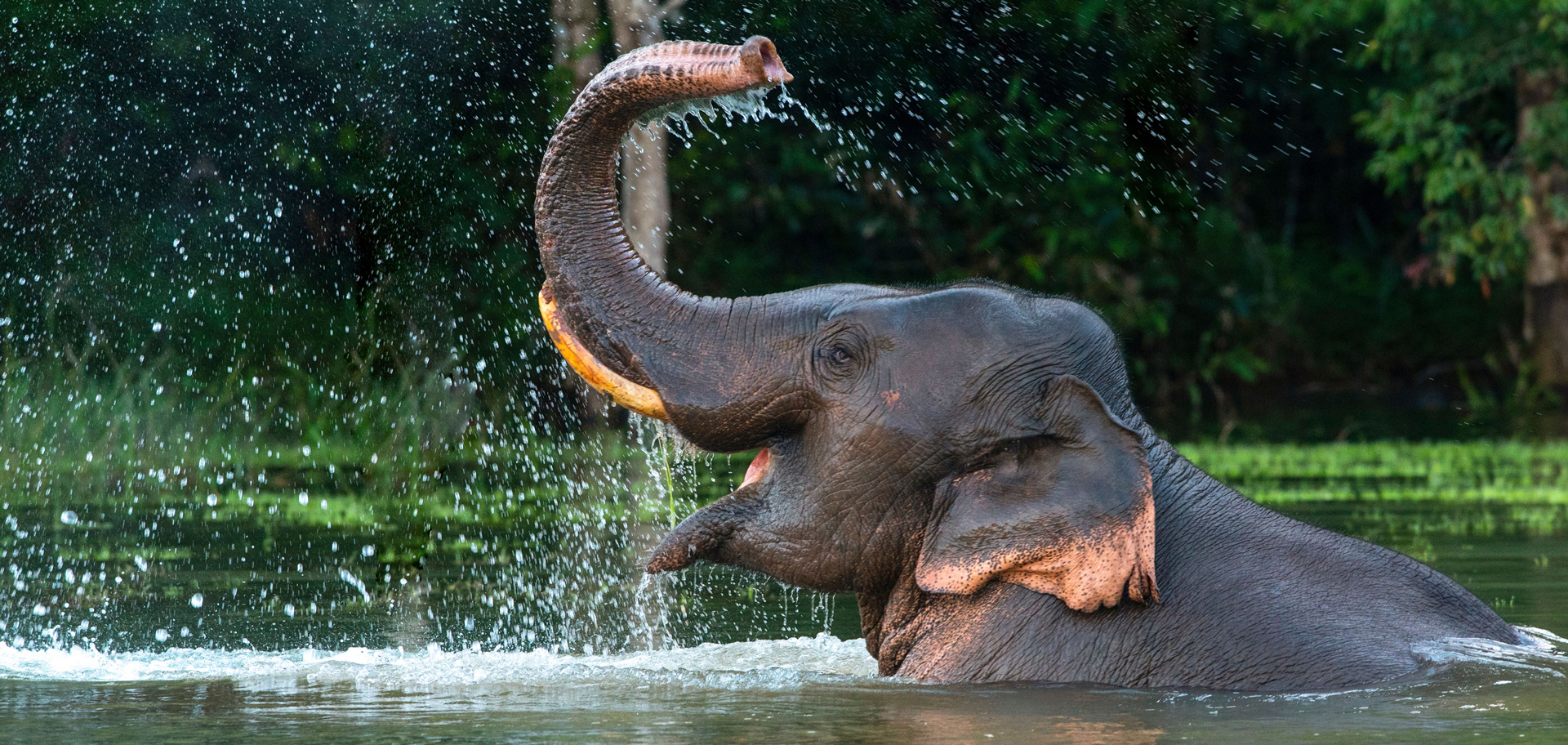
Elephants have extraordinary manipulative skills, made possible by the grasping ability of their trunks. Asian elephants have one, small projection at the end of their trunks, called a “finger,” which aids their precision when using tools.
This study, published in the journal Current Biology (along with a video) in December 2024, reminds us of elephants’ extraordinary manipulative skills and tool use, made possible by the grasping ability of their trunks. The scientists say they now wonder what these findings in a zoo setting mean for elephants in their natural habitats. Do the animals play tricks on each other in the wild? Does Anchali think this is funny, or is she just being mean?
Chimpanzees masterfully engineer their tools
Termites are a good source of energy, fat, minerals, protein and vitamins for chimpanzees. To eat the insects, the primates need to use relatively thin probes to fish them out of the mounds where they live. Given that the inside of the mounds is made up of winding tunnels, a multidisciplinary team of researchers from England’s University of Oxford; Germany’s Leipzig University and Max Planck Institute for Evolutionary Anthropology; Portugal’s University of Algarve and University of Porto; and Washington, D.C.’s Jane Goodall Institute hypothesized that using flexible tools would be more effective for chimpanzees when drawing out the insects than using rigid sticks.
To test this, they took a portable mechanical tester to Tanzania’s Gombe Stream National Park and measured how much force it took to bend plant materials used by the apes compared to plant materials that were available but never used. Findings showed that plant species never used by chimpanzees were 175% more rigid than their preferred materials. Furthermore, even among plants growing near termite mounds, those that showed obvious signs of regular use by the apes produced more flexible tools than nearby plants that showed no signs of use.
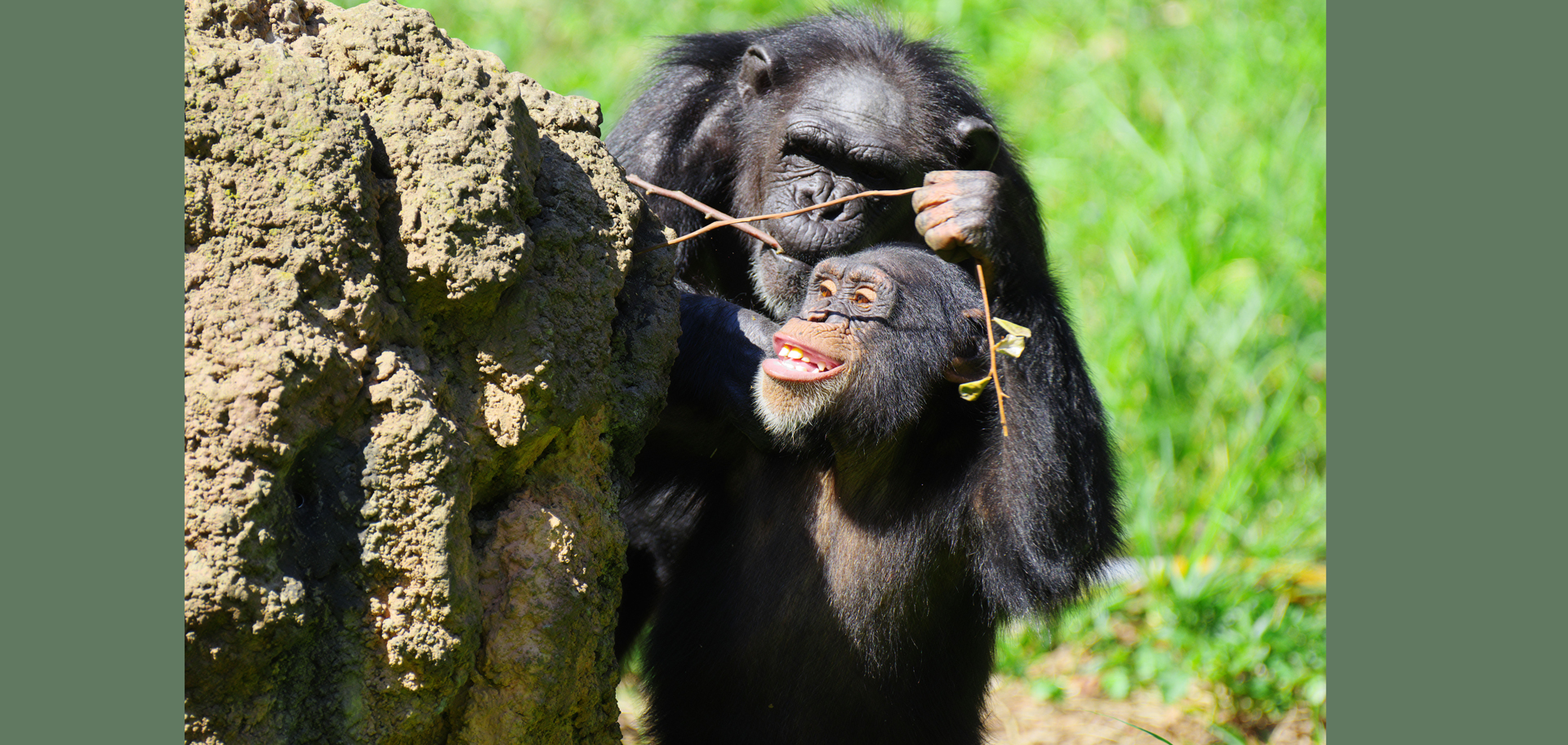
A chimpanzee’s natural engineering abilities are not just about using any plant or stick that is available; they specifically select materials with mechanical or structural properties that can make their foraging tools more effective. By studying how they choose materials, we can better understand early human tool use.
The researchers say in their study, published in the journal iScience in April 2025, that this is the first comprehensive evidence that wild chimpanzees select tool materials for termite fishing based on specific mechanical properties. Notably, specific plant species also constitute tool material for termite-fishing chimpanzee communities living up to 3,000 miles from Gombe, implying that the mechanics of these plant materials could be a foundation for such ubiquitous preferences. Rudimentary engineering may be deeply rooted in chimpanzee tool-making cultures, meaning that wild chimpanzees possess a kind of “folk physics“—an intuitive comprehension of material properties that helps them choose the best tools for the job.
The study’s results raise important questions about how this knowledge is learned, maintained and transmitted across generations. Do young chimpanzees observe and use their mothers’ tools? Do similar mechanical principles determine chimpanzees’ selection of materials for making other foraging tools, such as those used for eating ants or harvesting honey? The findings also have important implications for understanding how humans might have evolved their exceptional tool-using abilities. While perishable materials like wood rarely survive in the archaeological record, the mechanical principles behind effective tool construction and use remain constant across species and time.
Octopuses use mirrors to locate food
Octopuses are well-known for their superb intelligence. One famous example is Inky, the octopus that escaped from the National Aquarium of New Zealand in 2016 by squeezing through a drainpipe and making his way back to the ocean. Now, a research team from New Hampshire’s Dartmouth College has uncovered another impressive ability. A study published in the journal Current Biology in June 2026 shows that octopuses can learn to use mirrors to locate food hidden from direct view, demonstrating sophisticated spatial thinking. This is the first study to prove that invertebrates can use mirrors to understand their environment and find prey, a skill that previously had only been documented in vertebrates.
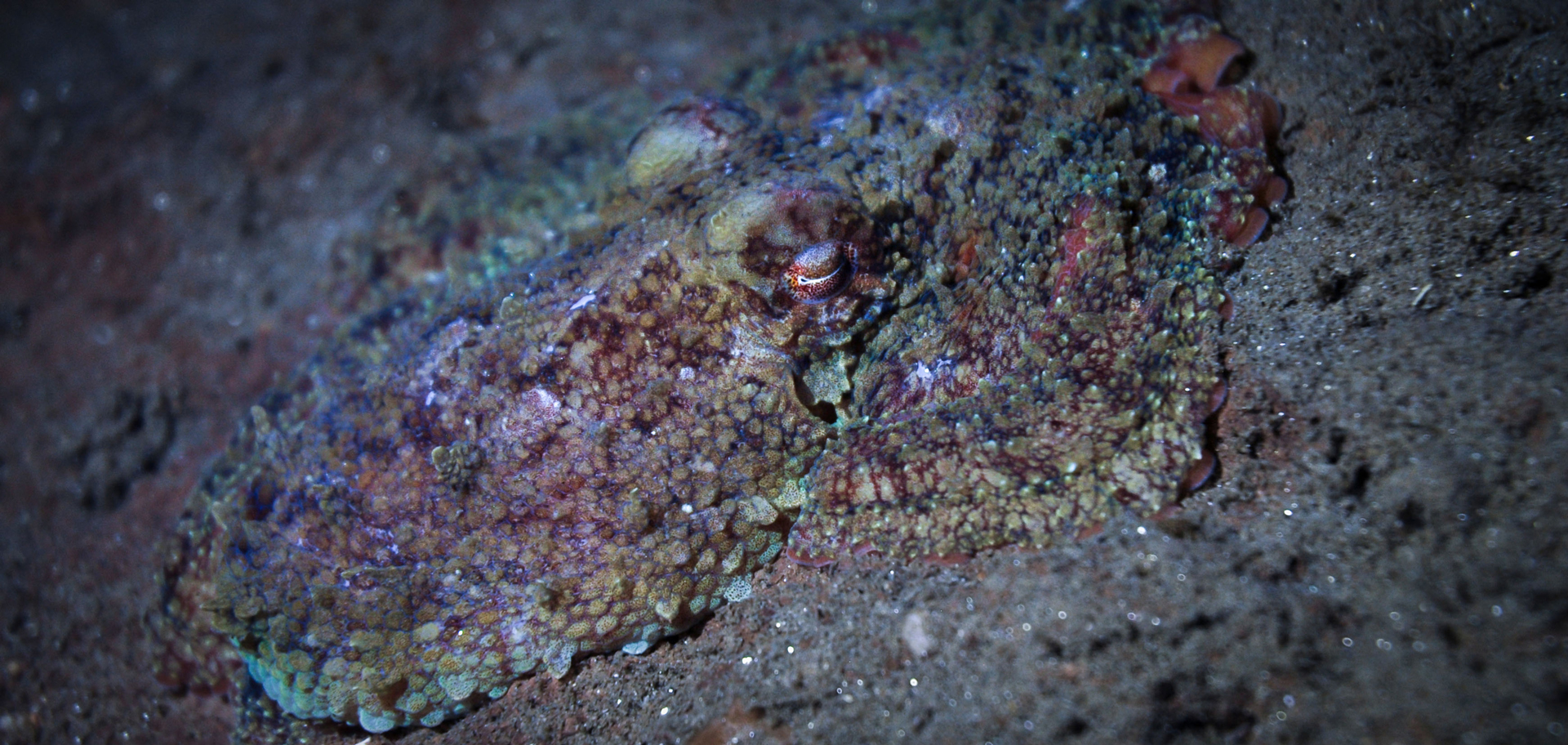
The California two-spot octopus’s common name is a reference to the iridescent blue circles on both sides of the head. The large, blue spots look like eyes—an adaptation to scare away predators. They can also change the color and texture of their skin when hunting or responding to external stimuli. ©Greg Amptman/Shutterstock.com
The Dartmouth researchers worked with three California two-spot octopuses (Octopus bimaculoides) housed in one of the school’s labs. The goal was to determine whether the animals could learn to use a mirror to identify the location of a food source that was out of sight. Instead of attacking the reflected image, the octopuses needed to figure out where the stimulus was actually located and move toward it.
The animals were first given time to become familiar with a mirror placed in their habitats. Next, the researchers trained them to understand the relationship between a reflection and the real world. During this phase, a live crab was placed inside a glass jar positioned so that the octopus could see it only through the mirror. To reach the crab, the animal had to turn 90 degrees and move around a corner. Just as new drivers learn to use a rearview mirror to track other vehicles, say the scientists, octopuses can also learn how to use a mirror to infer where things are actually placed.
Octopuses possess chemoreceptors that allow them to smell and taste through touch, which could have affected the results if real prey had been used during testing. To avoid that issue, the researchers relied instead on an image of a crab. For the experiment, each octopus was placed inside a start box that was open at the front and top. A mirror was positioned directly in front of the animal. The virtual crab appeared behind the octopus, either on the left or right side, but visible only through the mirror.
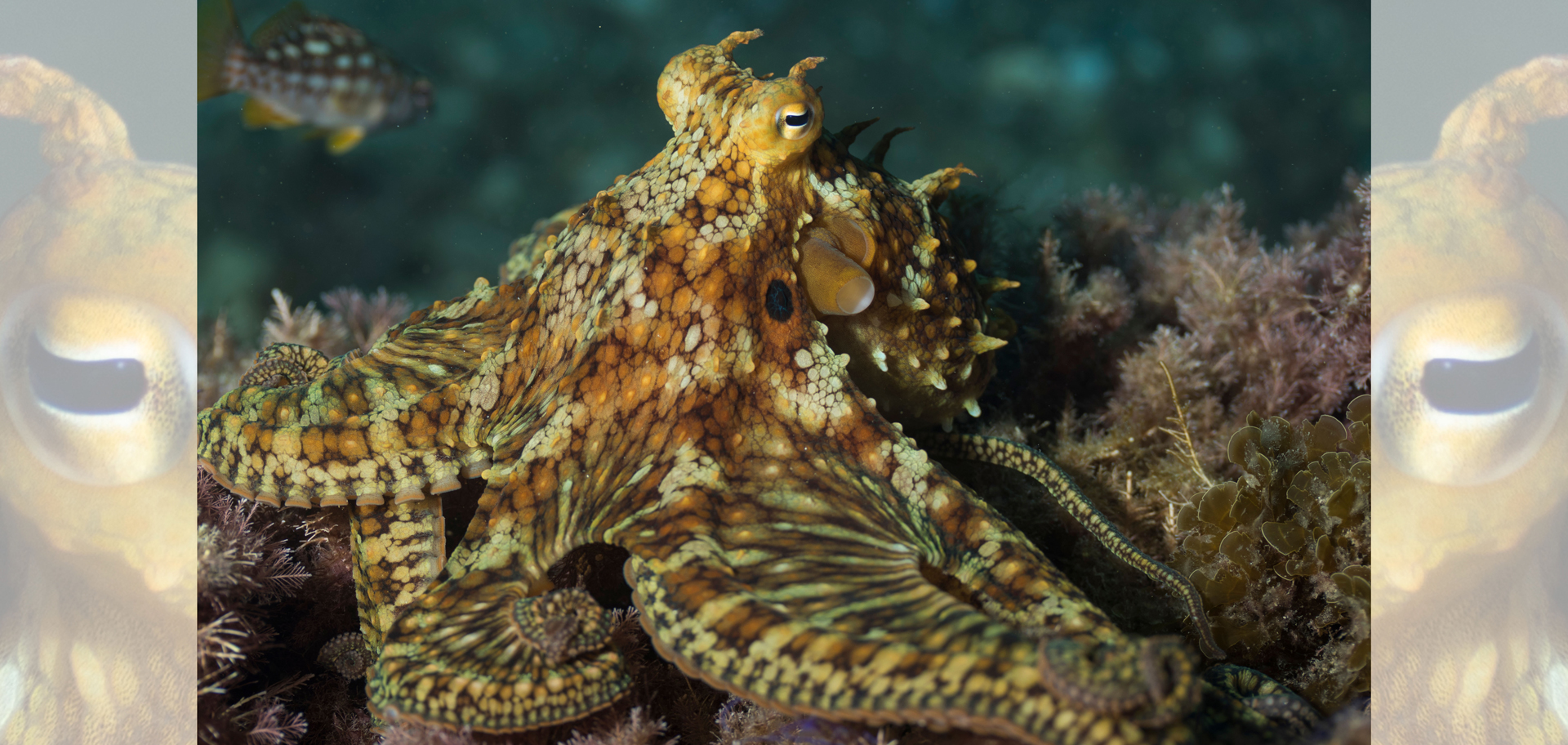
Hunters are most effective when they have mental maps of their territories. Octopuses might also have internal maps. After training with mirrors, California two-spot octopuses could correctly identify the real location of food about 73% of the time, showing that they can use mirrors as tools rather than simple reflections. ©D.J. Schuessler Jr/Shutterstock
To earn a reward, the octopus had to recognize where the image was truly located and move toward that position. Instead of approaching the mirror itself, the animals turned around and headed toward the correct side, where they received a live crab reward. Some octopuses even climbed over the side of the box to reach the location of the projected image rather than swimming around it. The animals chose the correct side about 73% of the time.
Researchers tracked a point between the octopus’s eyes on the mantle, the part of the body comparable to a head, using overhead observations. They also measured the routes the animals took while seeking the reward. Although the octopuses did not always choose the shortest path, they became faster at reaching the correct location as the trials progressed.
According to the researchers, the findings may offer new insights into how intelligence evolves. Octopuses are among the most evolutionarily distant animals from humans; our last common ancestor was a worm that lived 350 to 500 million years ago. Given that such a remote organism has independently evolved the means to use a mirror as a tool to process spatial cognition suggests that the underlying cognitive processes might be subject to convergent evolution, where different species evolve similar neural solutions to the same challenge. The environments where octopuses live, including coral reefs and the seafloor, are often highly complex and filled with obstacles.
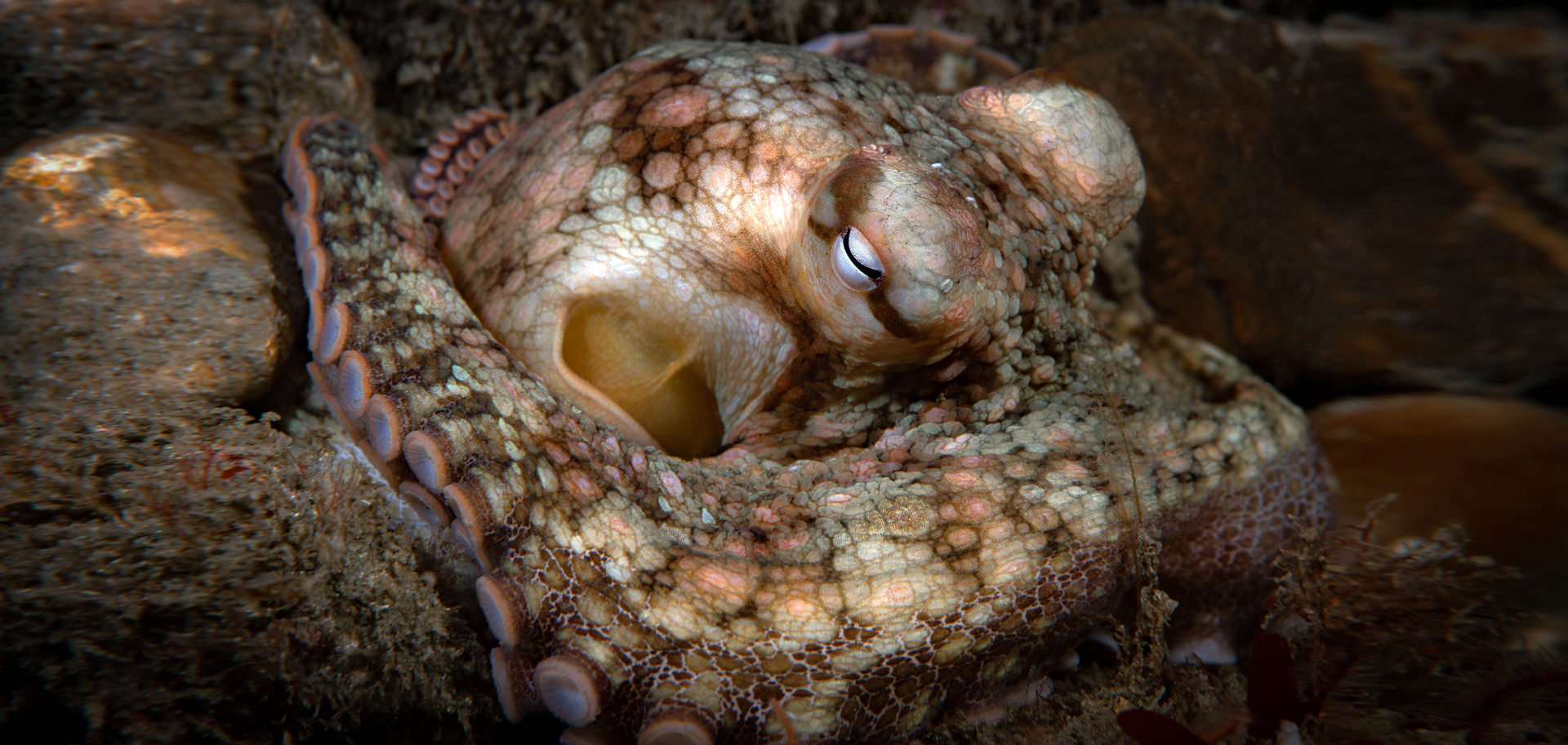
As the Anthropocene continues, the human impact on the Earth has affected many animals, including the California two-spot octopus. Human activities have polluted the world’s oceans. In times of bad water quality, this octopus’s immune system can become impaired, and its population numbers can fluctuate.
This study, say its authors, adds another superlative skill to the growing list of abilities that make octopuses some of the most fascinating animals in the ocean.
Orcas fashion grooming tools
Widespread tool manufacture and use in a population of resident orcas living in the Salish Sea, part of the Pacific Ocean between British Columbia and Washington state, was recently described in the journal Current Biology. In the June 2025 edition, a group of whale experts wrote about how the whales fashion tools from kelp and use them for grooming purposes. To witness whales manufacturing tools and then using them in a way never before reported in marine mammals was incredibly exciting, wrote the whale research team.
This unexpected whale activity was discovered while the experts were conducting aerial observations of southern resident orcas, a critically endangered whale population with fewer than 80 individuals left. The team has been monitoring the whales since 2018 to learn more about their foraging and social behaviors. While there are other orcas around the world, the southern residents represent a culturally, ecologically and genetically distinct population.

Southern resident orcas spend several months of the summer and fall in Washington state’s Puget Sound. They were listed under the Endangered Species Act in 2005 and are considered depleted under the Marine Mammal Protection Act. Their use of bull kelp as tools suggests a deeper cultural complexity than scientists previously realized.
Through the high-resolution footage collected by their aircraft, the researchers found that the whales created tools by breaking off the ends of bull kelp stalks. They then pressed pieces of kelp against a partner and rolled the kelp between their bodies for long periods of time. The researchers observed this behavior in whales across all age classes, both sexes and all social groups. They found that whales were more likely to groom closely related whales or similarly aged partners. They also saw some evidence that whales with more molting or dead skin were more likely to engage in grooming, suggesting it may have a hygienic function.
It remains unclear whether this grooming behavior is entirely unique to this population or more widespread among other whale populations and species. Regardless, the discovery opens new avenues for understanding tool use in marine mammals, highlights yet another way that the culture and society of these whales is unique and emphasizes the importance of recovering the southern resident orca population.
A cow handles her own brush
It’s not only wild animals who are showing off their tool skills. A Brown Swiss cow named Veronika who lives as a companion animal (rather than being raised for food production) is the first cow to have been documented using tools, suggesting that cattle may be far more cognitively capable than once thought.
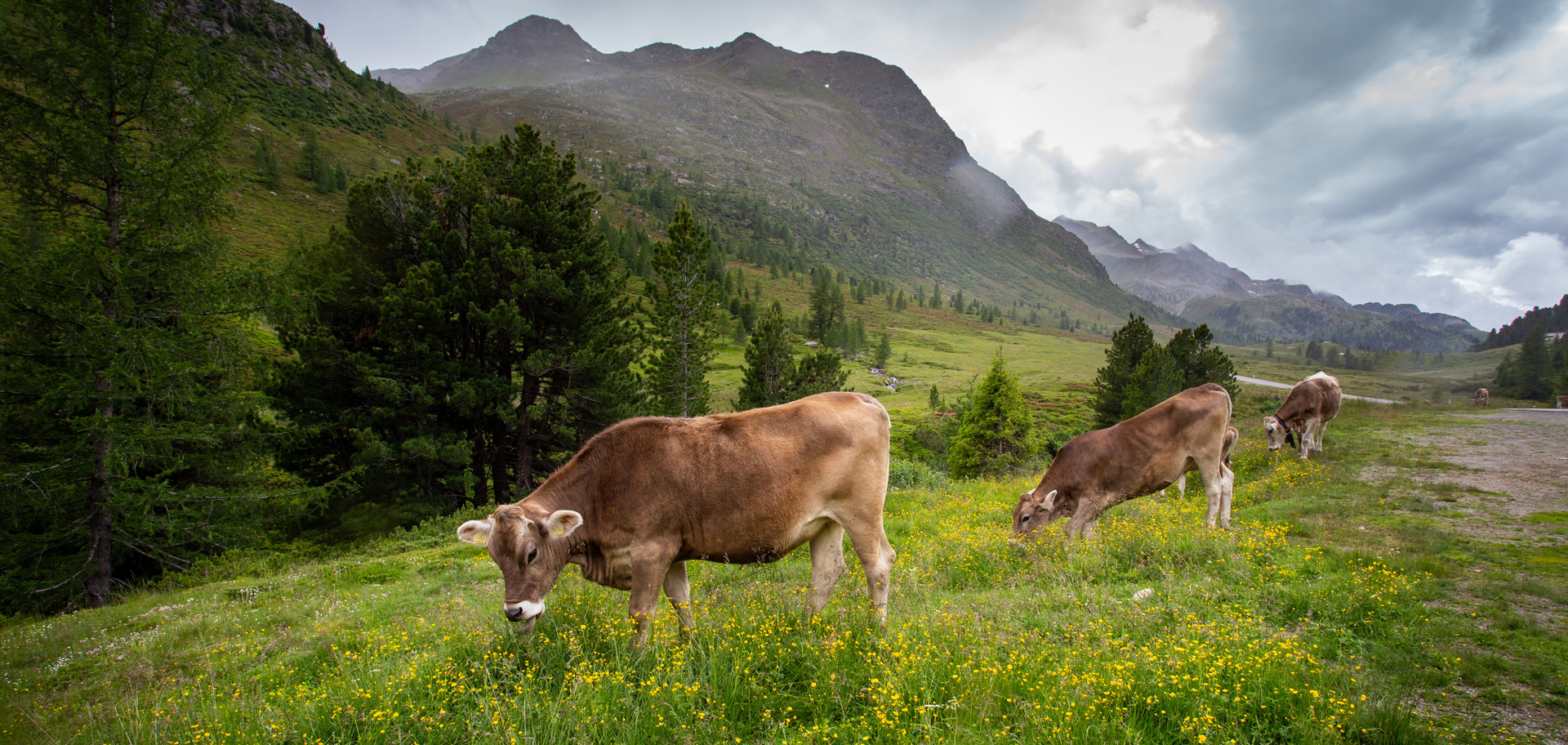
Originating in the Swiss Alps, Brown Swiss cattle adapt well to high altitudes and cold or hot climates. These cows possess the ideal fat-to-protein ratio in their milk, making it a popular choice for cheese producers.
Veronika belongs to Witgar Wiegele, a baker and organic farmer who considers her part of the family. More than a decade ago, Wiegele noticed an unusual behavior. Veronika would pick up sticks and use them to scratch her body. This behavior eventually caught scientific attention when it was recorded on video and shared with researchers at Austria’s University of Veterinary Medicine Vienna, who deemed it a meaningful example of tool use in a species that is rarely considered from a cognitive perspective.
To better understand this behavior, the researchers conducted structured tests with Veronika. They placed a deck brush on the ground in different positions and observed how she interacted with it. Across multiple trials, Veronika consistently chose specific parts of the brush depending on where she wanted to scratch. Her selections were not random. Instead, they matched the needs of different areas of her body.
There were clear patterns in how Veronika used the brush. For larger, firmer areas like her back, she preferred the bristled side. For more sensitive regions on her lower body, she switched to the smoother side. She also adjusted her movements. Scratching her upper body involved broader, stronger motions, while those directed at lower areas were slower and more precise.
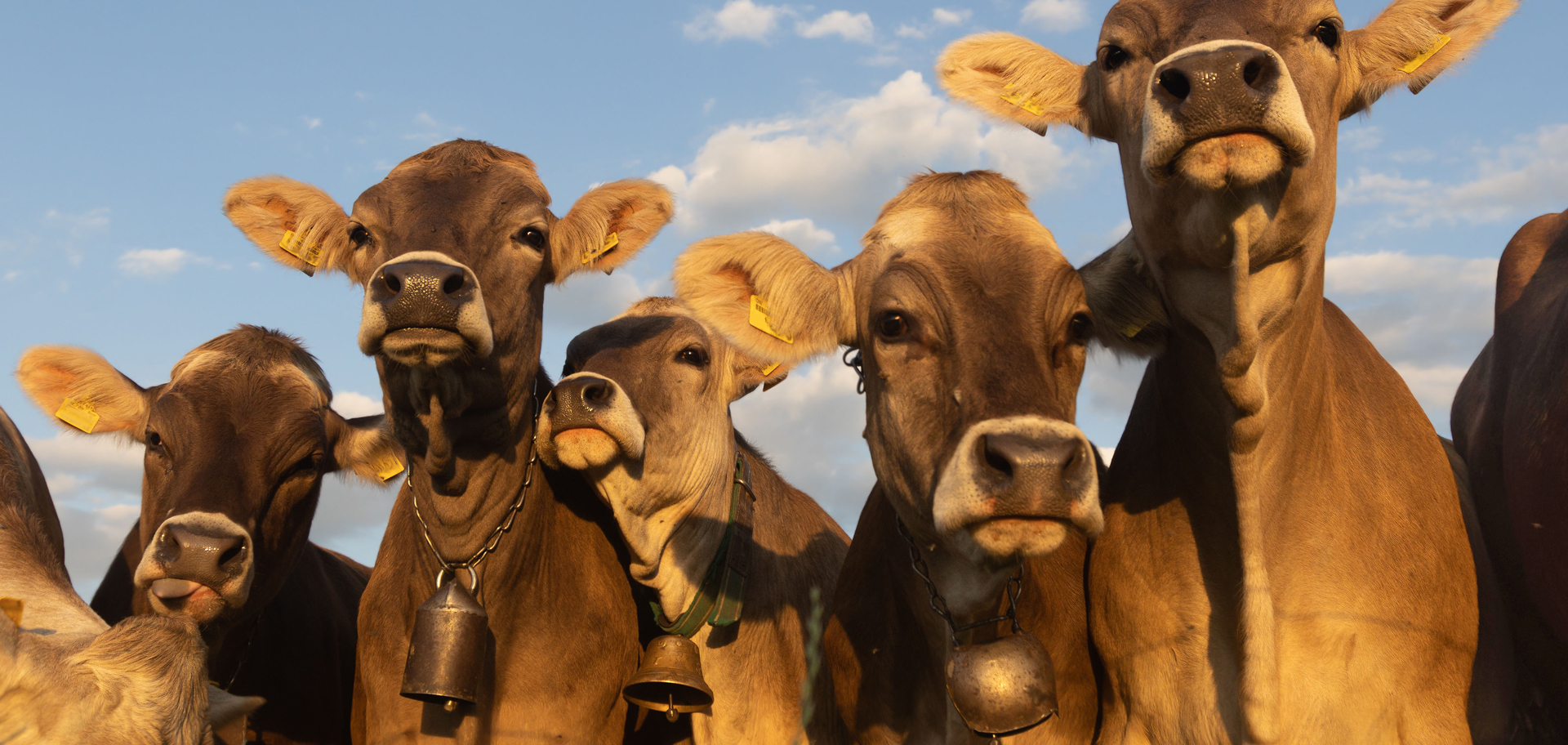
Known for their calm personalities; big, floppy ears; and large sizes, Brown Swiss cattle are one of the oldest dairy breeds. Veronika, the tool-using, pet cow, is a Brown Swiss, like the ones shown here.
Tool use is defined as using an external object to achieve a goal through physical interaction. Veronika’s actions meet this definition and go beyond it. Her behavior qualifies as flexible, multipurpose tool use, meaning she uses different features of the same object for different outcomes. Her tool use is directed at her own body, which is known as “egocentric tool use.” While this form is typically considered less complex than using tools on external objects, it still presents challenges. Because cows lack hands, Veronika must manipulate tools using her mouth. Despite this limitation, she shows careful control and appears to anticipate the effects of her actions. She adjusts her grip and shifts her body to achieve the desired result.
Veronika’s unique living conditions may have contributed to her behavior. Unlike most cattle, she has lived a long life in a complex and stimulating environment. She has daily interactions with humans and access to a variety of objects she can maneuver. These factors likely created opportunities for exploration and innovation that are uncommon for most cows.
In any event, this discovery, presented in the journal Current Biology in January 2026, represents the first confirmed case of tool use in cattle and expands the range of species known to demonstrate this ability. It also raises the possibility that similar behaviors may exist but have gone unnoticed and emphasizes how assumptions about livestock intelligence may reflect gaps in observation rather than genuine cognitive limits. The research team is now exploring which environmental and social conditions allow such behaviors to develop.
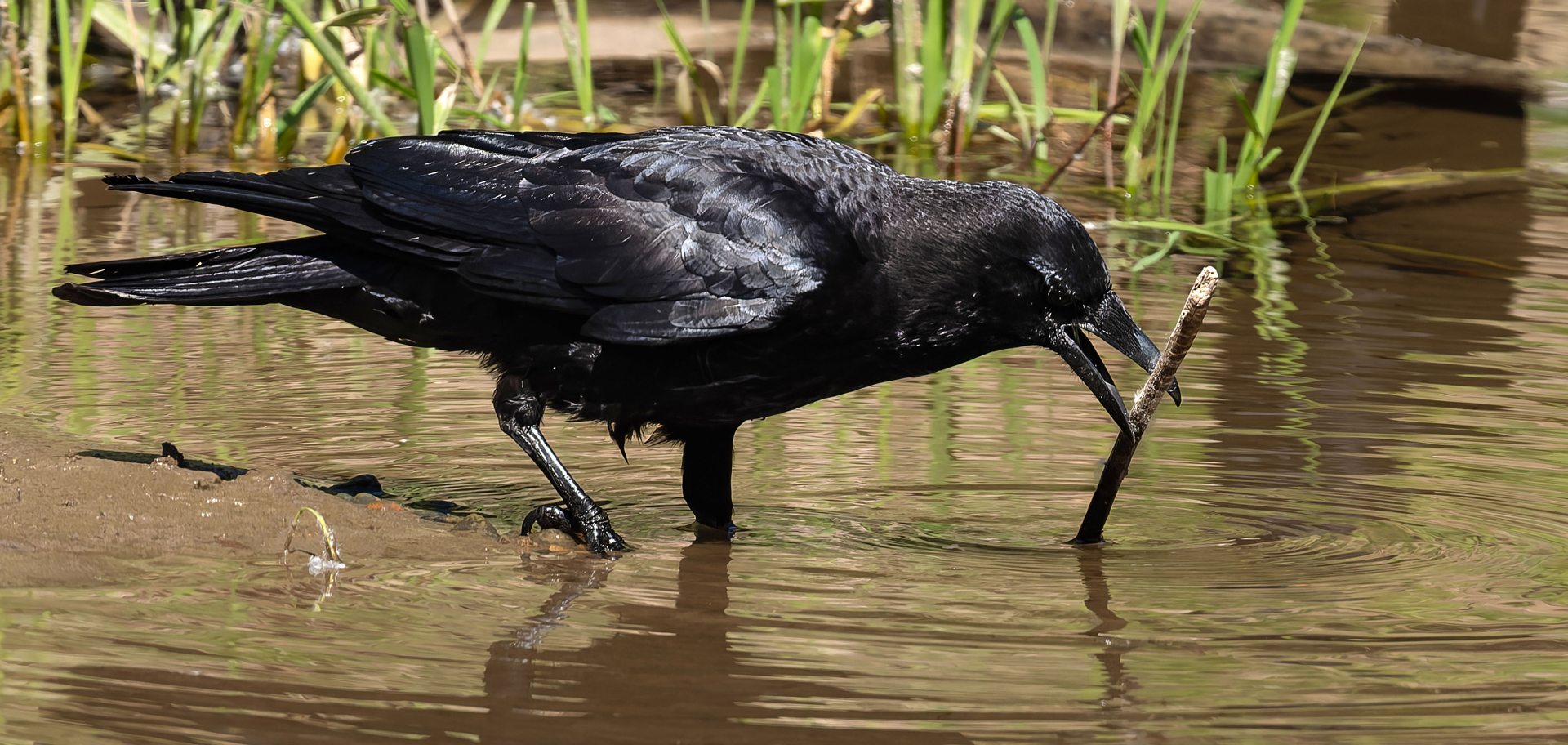
We aren’t the only animals who use tools. That list is constantly growing, and crows certainly deserve one of the spots at the top. They modify twigs to probe for hidden prey—and have even been observed using the flow of automobile traffic to crack open nuts.
Better-than-humans are proficient tool-users
Tool-using animals do exhibit intelligence. But more than that, I think, they add to the mounting evidence that all animals are someone, not something; and they are capable of some of the same feats that we perform when they’re given the chance.
It’s impossible to ignore anymore how much we have in common with the better-than-humans among us.
Here’s to finding your true places and natural habitats,
Candy